
Page 76 of 277

#4122: Why No AR App for Infant CPR?
A parent at 2AM needs visuals, not a PDF from 2014. Why doesn't the app exist?

#4120: Can Shared Faith Bridge Jerusalem’s Deepest Divides?
Do pilgrims to Jerusalem find more common ground in shared religiosity than division in theology?

#4119: Guilt as a Feature: How Judaism Processes Failure
Is guilt a feature or a bug in religious systems? One tradition has a built-in protocol for processing failure.

#4118: When Thoughts Feel Like Facts: Ego-Syntonic Thinking Explained
Why some people can't see their own catastrophic thoughts as distortions — and what that means for therapy.

#4117: Understanding Egosyntonic: Why Explanations Fail with Personality Disorders
What if the person you're trying to reach literally can't see their own behavior? One word explains why.

#4116: What an Earthquake Actually Feels Like
The ground doesn't open up. Here's what survivors actually describe in those first seconds.
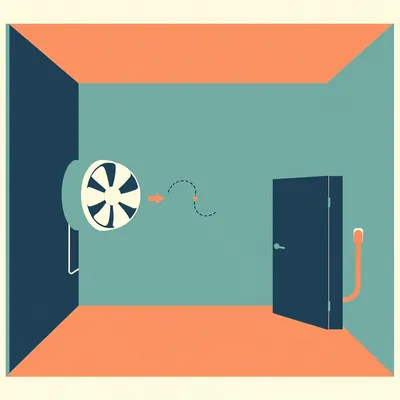
#4115: Overpressure Not Airtight: How Mamads Actually Work
A tech guy and an architect debate mamad vulnerabilities. Both are wrong in a fascinating way.
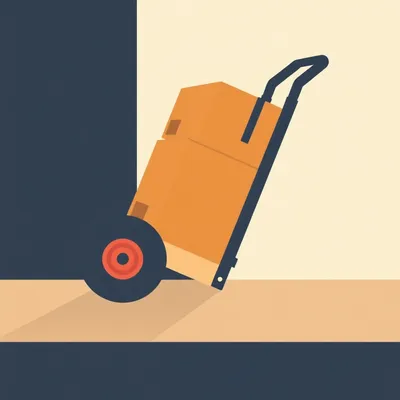
#4114: How to Pick a Dolly That Won't Fail on a Curb
Why a $45 dolly fails on a 6-inch curb — and what to buy instead for real city moves.
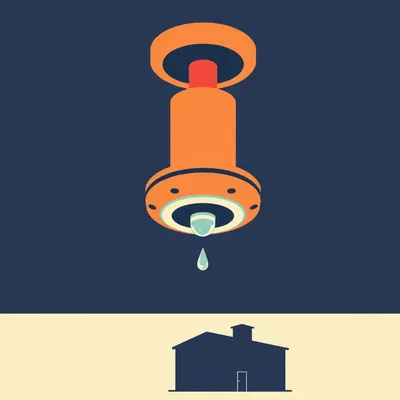
#4113: When Do Sprinklers Become Mandatory?
How specific disasters created the code changes that now require sprinklers in tall buildings.
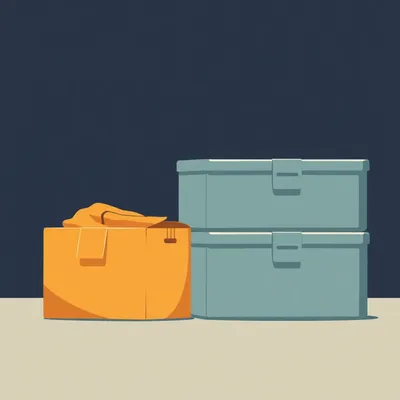
#4112: Cardboard vs. Eurobox: Phasing Out Disposable Storage
How to transition from disposable cardboard to industrial-grade Euroboxes without breaking the bank.

#4111: The AC Photo That Taunts You
Why no single app handles photos, multi-user access, and home-specific fields — and what to use instead.

#4110: Mental Parking Spots: Systems vs. Improvisation
Why some brains need apps to think, and others just remember.

#4109: Where Busyness Tips Into Burnout
What the research says about the line between enjoyably productive and dangerously overloaded.

#4108: How to Pack a Rental Van Like a Cargo Pilot
What a FedEx loadmaster knows about keeping your fridge from becoming a projectile.

#4107: The Hidden Billions of Rental Churn
What does it cost society when millions are forced to move every few years? We built the model nobody else has.

#4106: Embedding Models vs LLMs: What Actually Connects?
Can you mix any embedding model with any LLM? And why are new embedding models still dropping if they're "solved"?
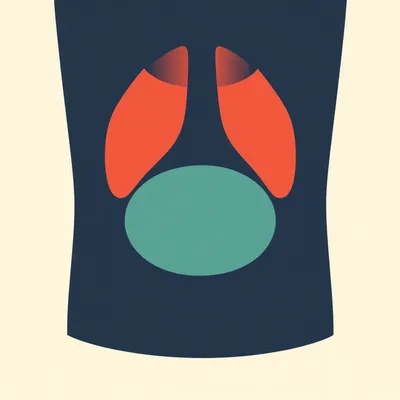
#4105: How Your Brainstem Can Learn a Wrong Pattern After Surgery
Bloating after gallbladder surgery isn't always gas. It's often a brainstem coordination problem called abdominophrenic dyssynergia.

#4104: Why 20% of AI Scripts Loop on Themselves
Debugging the mysterious repetition bug affecting one in five podcast episodes.
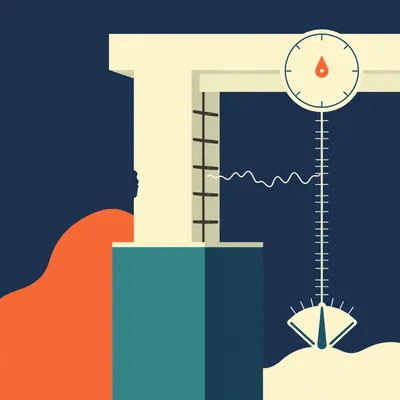
#4103: Tall vs Short: Which Floor Survives an Earthquake?
Why your intuition about building height during a quake is probably wrong — and what Israeli seismic codes actually require.

#4102: Can Pine Furniture Survive Outdoors?
Why coating pine for outdoor use often makes things worse — and what actually works.