
Page 13 of 275
#5348: Greenland's 56,000 People, Two Big Powers, and One Vague Deal
85% of Greenlanders oppose joining the U.S. — yet Washington and Copenhagen are about to sign a security deal about their island.

#5347: What "On the Sidelines" Actually Means in Diplomacy
A "sidelines" meeting sounds casual. It's actually a fully scripted format with its own rules — and the Greenland signing shows why the label matters.
#5346: Why the UN's Biggest Week Is All About the Sidelines
The UN General Assembly meets year-round — so why do heads of state fly in for one frenzied week each September?
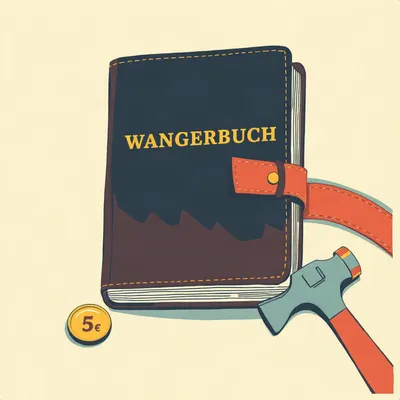
#5345: Why Trades Still Say Apprentice, Journeyman, Master
A papyrus contract from 18 BC, a five-euro coin, and the German Walz — how one medieval ladder survived only in the licensed trades.
#5345: Forecasting for Cranes, Fires, and 15-Minute Decisions
The public five-day forecast is a loss leader. Here's what bespoke weather looks like when money and lives ride on it.
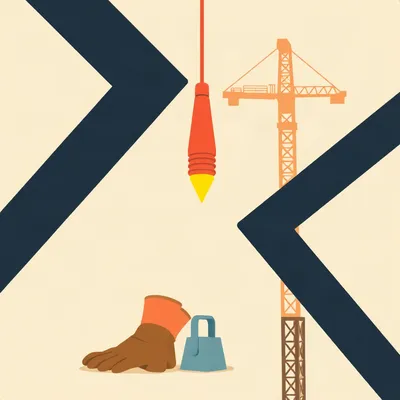
#5344: Ironworking: From Rivet Gangs to Rebar Crews
Ironworking is older than the skyscraper it built. Rivet gangs, Mohawk crews, and why Israel's cranes hide the trade.
#5343: Class, Caste, and the Boarding Pass
Airlines stratify us openly while class talk stays rude. What caste, the Cagot, and sumptuary law reveal about ranking people.
#5342: When "Politically Correct" Flipped Sides
From Marxist party discipline to campus flashpoint to pejorative — how "politically correct" changed hands, and why "woke" repeated the pattern.
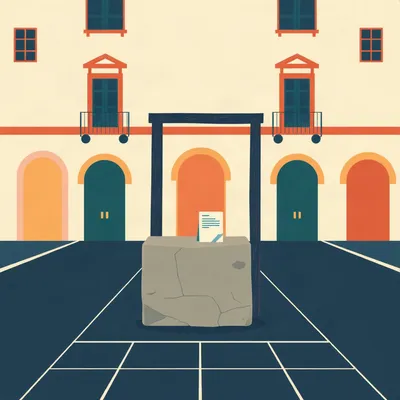
#5341: The Bankruptcy Stone and the Debtor Blacklist
From Florence's stone of scandal to China's debtor blacklist, a tour of the world's most degrading insolvency rituals — and why the U.S. version is...

#5340: The Rise and Fall of the Aristocracy
Aristocracy meant rule by the best—a legal class, not just wealth. Why did the word vanish into "the one percent"?
#5339: How Auction Insiders Find the $9,000 Forklift
Government surplus, factory liquidation, and bankruptcy sales are three different animals — and the pros who profit know exactly where to look.
#5338: Iran Is Rebuilding Parchin. Again.
Satellite imagery shows Iran rebuilding the Taleghan Two site at Parchin for the second time in 18 months — this time under a tarp.
#5337: The World's Weirdest Museums: Poop, Parasites, and Broken Hearts
From a Poozeum in Arizona to Tokyo's parasite museum, we explore the world's most oddly specific collections and the obsession behind them.
#5336: Cholera and the 3.4 Billion Without Safe Sanitation
Cholera is fast, cheap to treat, and entirely preventable — yet 3.4 billion people lack safe sanitation. Here's why the numbers don't add up.
#5335: The Hidden History of Toilets and Sanitation
From Indus Valley flush drains to Roman sponge sticks to gong farmers — the surprising, gross, and brilliant story of human waste.
#5334: Ten Legal Loopholes Hiding in Plain Sight
Empty boxes dodging a billion pounds in UK business rates, pizza counted as a vegetable, and the squatter-hunter who turned adverse possession into...
#5333: How Screws Conquered the World
The screw spent 2,000 years as a machine before it held anything together. Here's how it became the hardware aisle we know.
#5332: The Real Story Behind Lunch Atop a Skyscraper
That famous photo wasn't the Empire State Building, wasn't a candid moment, and the "fearless Mohawk" legend is false. Here's what really happened.
#5331: Steeplejacks, Linemen, and Tower Climbers
Three jobs that look like pure nerve — steeplejacks, helicopter linemen, tower climbers — and what they're actually doing up there.
#5330: Who Actually Works on a Live 765kV Line?
Helicopter barehand work on a 765kV line is the top few percent of the trade — here's who gets there, and what it costs.