
History
Historical events, figures, and analysis
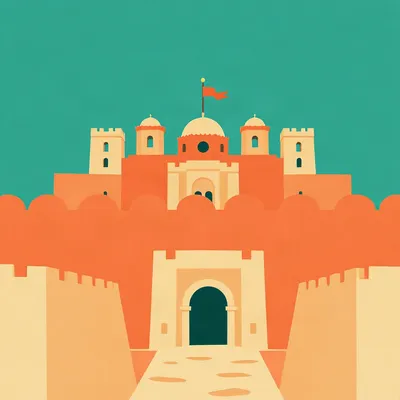
#5499: Jerusalem's Russian Compound: 17 Acres, Three Churches
A 68-dunam walled district in central Jerusalem has been a pilgrimage campus, a prison, and a city hall. Here's how it became Russian.

#5498: Who Was a Superpower Before America?
The word "superpower" was invented in 1944. So how do you build a list of them stretching back to Akkad?
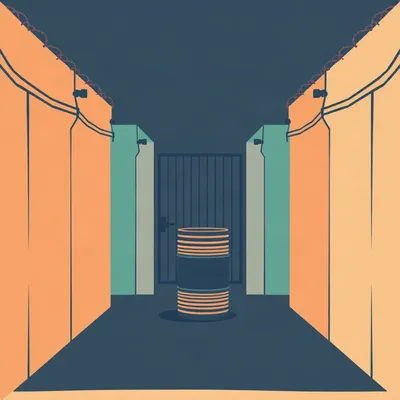
#5497: Mandelbaum Gate: Inside Jerusalem's Divided Crossing
For 19 years, one narrow seam connected two hostile halves of Jerusalem. Here's how the Mandelbaum Gate actually worked.
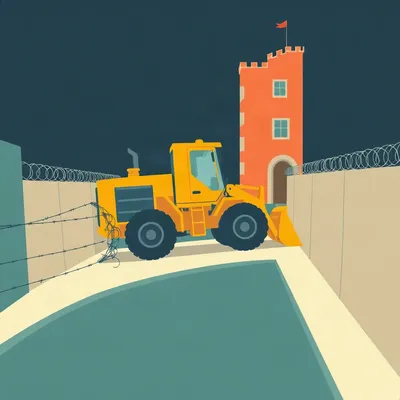
#5496: Taking Down Jerusalem's 7km Border, Street by Street
Barbed wire, minefields, and a wax-pencil line: how Jerusalem's seven-kilometre border was physically torn down after 1967.
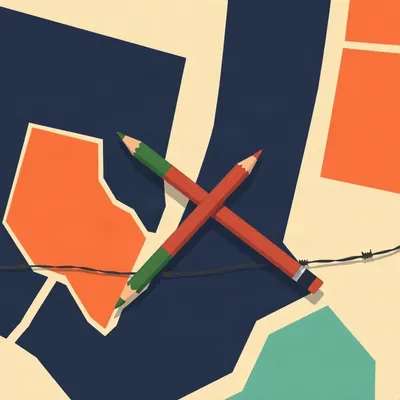
#5495: Musrara: Growing Up on Jerusalem's Pencil-Drawn Border
How a border drawn with wax pencils in 1948 split Musrara's homes in two — and shaped the neighborhood that raised the Israeli Black Panthers.
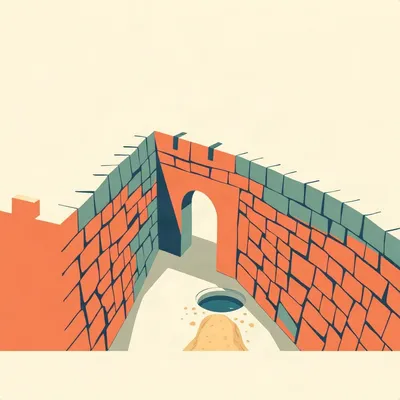
#5494: How Ancient Jerusalem Outgrew Its Own Walls
Jerusalem's Old City walls are Ottoman, not ancient — and the original city sits outside them. Tracing 4,000 years of expansion and contraction.

#5493: Jerusalem Before Sukkot: Reconstructing the Pilgrim City
What did Jerusalem feel like to residents when Sukkot tripled the city? Archaeology and ancient sources reconstruct the transformation.
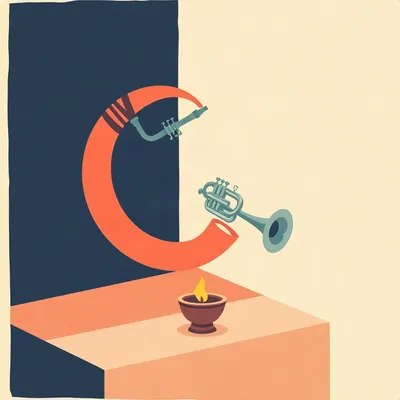
#5492: 21 Shofar Blasts a Day: The Temple's Lost Soundscape
The shofar wasn't just a Rosh Hashanah thing. In the Temple, horns sounded 21 times a day — marking work, worship, and water.
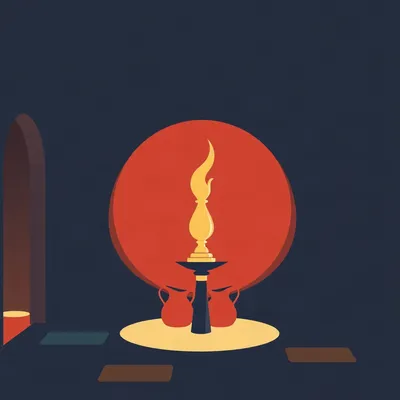
#5491: The Night the Temple Courtyard Glowed
What the Mishnah, Tosefta, and Talmud actually say about the Temple's all-night Sukkot celebration — and where the spectacle creeps in.

#5475: Why Salad Is Breakfast in Israel and Punishment in America
Same chopped tomatoes and cucumbers — a morning staple in Israel and Turkey, a symbol of joyless dieting in America. How did one dish mean two oppo...
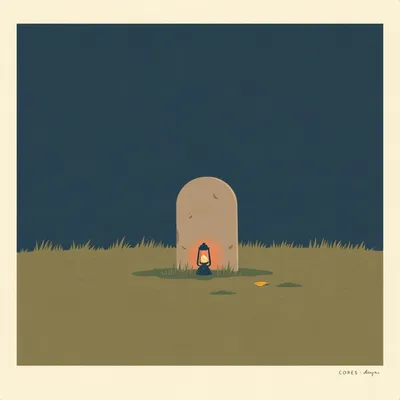
#5446: The Potter's Field: Who Buries the Unclaimed Dead?
From Hart Island's million graves to the met mitzvah, how societies bury the unclaimed — and why the shame of a pauper's funeral is surprisingly mo...
#5359: When Everyone Goes to University
Degree inflation, a collapsing graduate premium, and the case that mass university was a costly detour.
#5357: Pan-Arabism, the Umma, and Why the Arab League Can't Enforce Anything
What pan-Arabism actually claims, why it isn't the umma, and why 22 members can't stop sanctioning each other.
#5356: Torch Juggling in the Temple: Inside Sukkot's All-Night Water Festival
Fifteen hours of torch juggling, nonstop music, and a rain ritual the Torah never commanded — inside the Second Temple's wildest celebration.

#5354: Ten Beer Festivals, Ancient to Modern
From Hathor's temple to a Denver convention hall — ten drinking festivals and what actually changed over 3,000 years.
#5353: Egypt's 700,000-Pilgrim Party at Bubastis
Herodotus called it Egypt's biggest festival — a boozy Nile flotilla of 700,000 pilgrims bound for the cat goddess's city.

#5352: What Do You Picture When You Hear "Religious Jew"?
Most religious Jews don't wear black hats and side curls. So why is that the image everyone pictures?

#5351: Six Thousand Years and a Deadline That Keeps Moving
Rav Katina's 6,000-year clock says the year 2239. The Ramban called it non-binding. Maimonides cursed anyone who used it.

#5350: Messiah, Eschaton, and the AI Singularity
Four traditions, four different job descriptions for "Messiah" — and what the AI singularity borrowed from all of them.
#5346: Why the UN's Biggest Week Is All About the Sidelines
The UN General Assembly meets year-round — so why do heads of state fly in for one frenzied week each September?