Wartime Civilian Resilience: Living Under Fire
Many of these episodes were recorded in Jerusalem during the active conflict — prompted by real questions from listeners sheltering in safe rooms, managing children through sirens, and trying to maintain some semblance of a functional life under fire. They are practical, technically grounded, and honest about the limits of any preparation. Together they form a guide to the civilian experience of modern urban conflict.
The Physical Shelter
-
The Engineering of Survival: Mamads vs. Deep Shelters resolved the question that every Israeli building resident faces when the sirens sound: is it better to stay in the home safe room or run for a deep underground car park? The answer depends on the type of incoming threat, structural mass, proximity to blast radius, and secondary hazard exposure — and it is not the same answer for every attack.
-
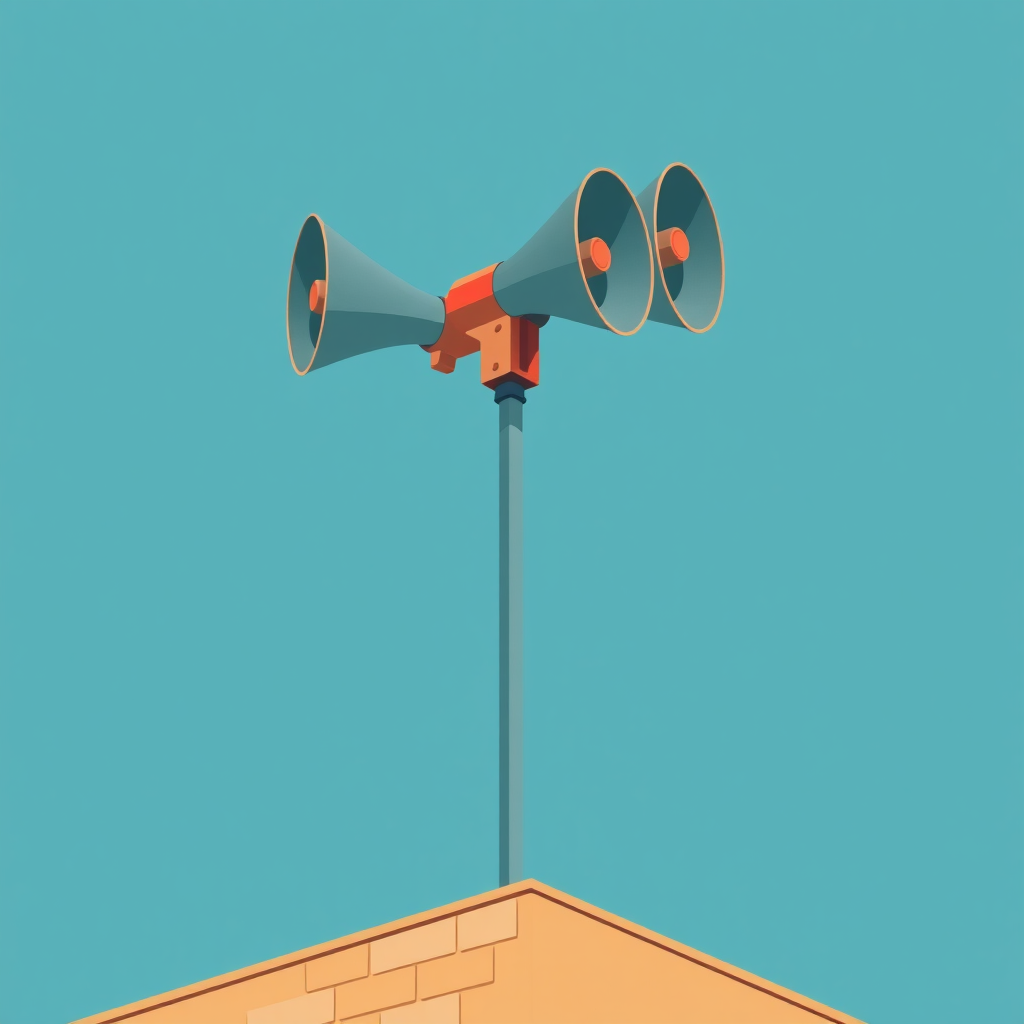
Infrastructure of Survival: Engineering the Modern Siren explained why air-raid sirens still exist in an age of smartphone alerts. The episode covered the engineering of civil defense siren networks — acoustic throw, coverage geometry, hardened power systems, and the redundancy built into systems designed to keep working after the cellular infrastructure fails.
-
The Great Failback: Moving a Hospital Out of the Bunker examined the extraordinary logistical challenge of transitioning a fully operational underground hospital back to surface operations after an extended period of sub-surface functioning — the sequencing, the supply chain implications, and the infection control protocols that govern the process.
Emergency Communications
-
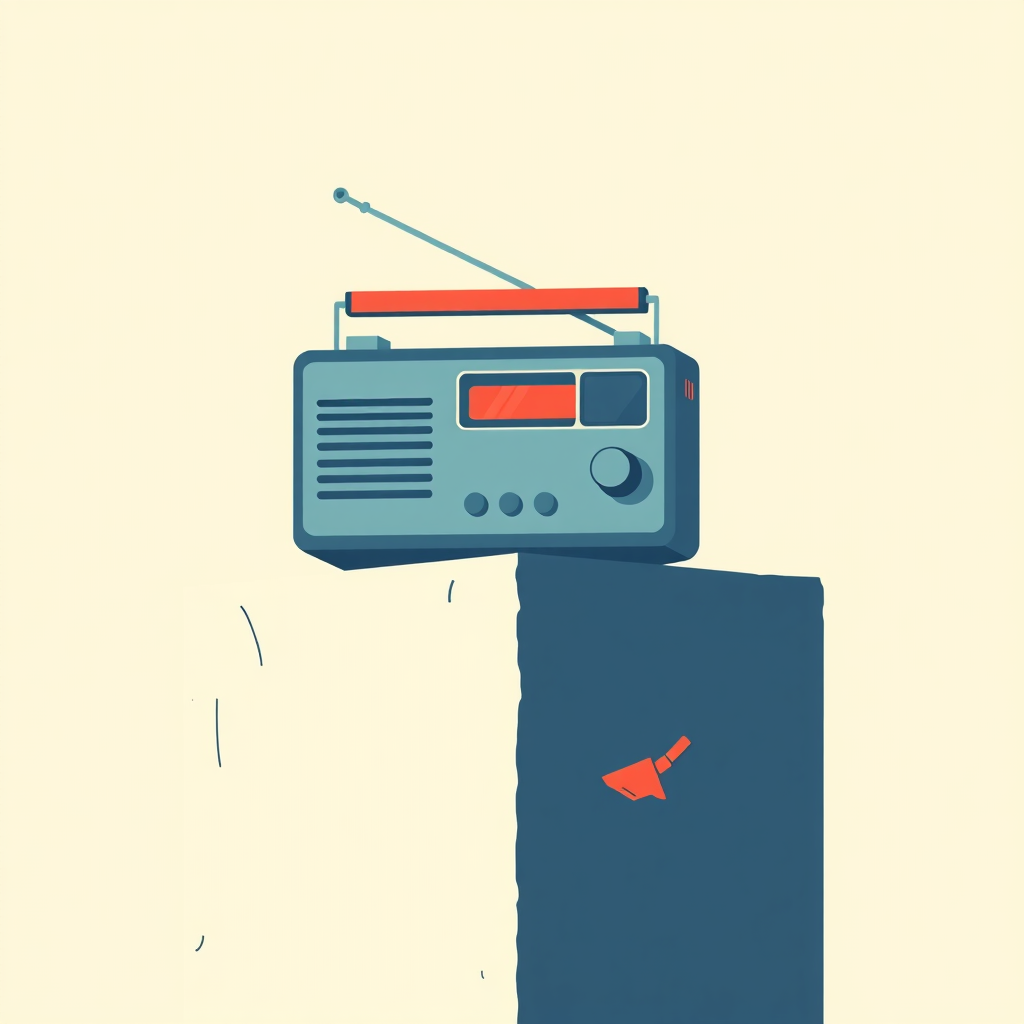
The Physics of Survival: Why AM Radio Beats 5G made the case that the hand-crank AM radio is still the most reliable emergency communications tool available to civilians. The episode explained signal penetration physics — why AM waves diffract around obstacles and penetrate reinforced concrete in ways that 5G millimeter-wave signals cannot — and reviewed the specific hardware worth having before a crisis.
-
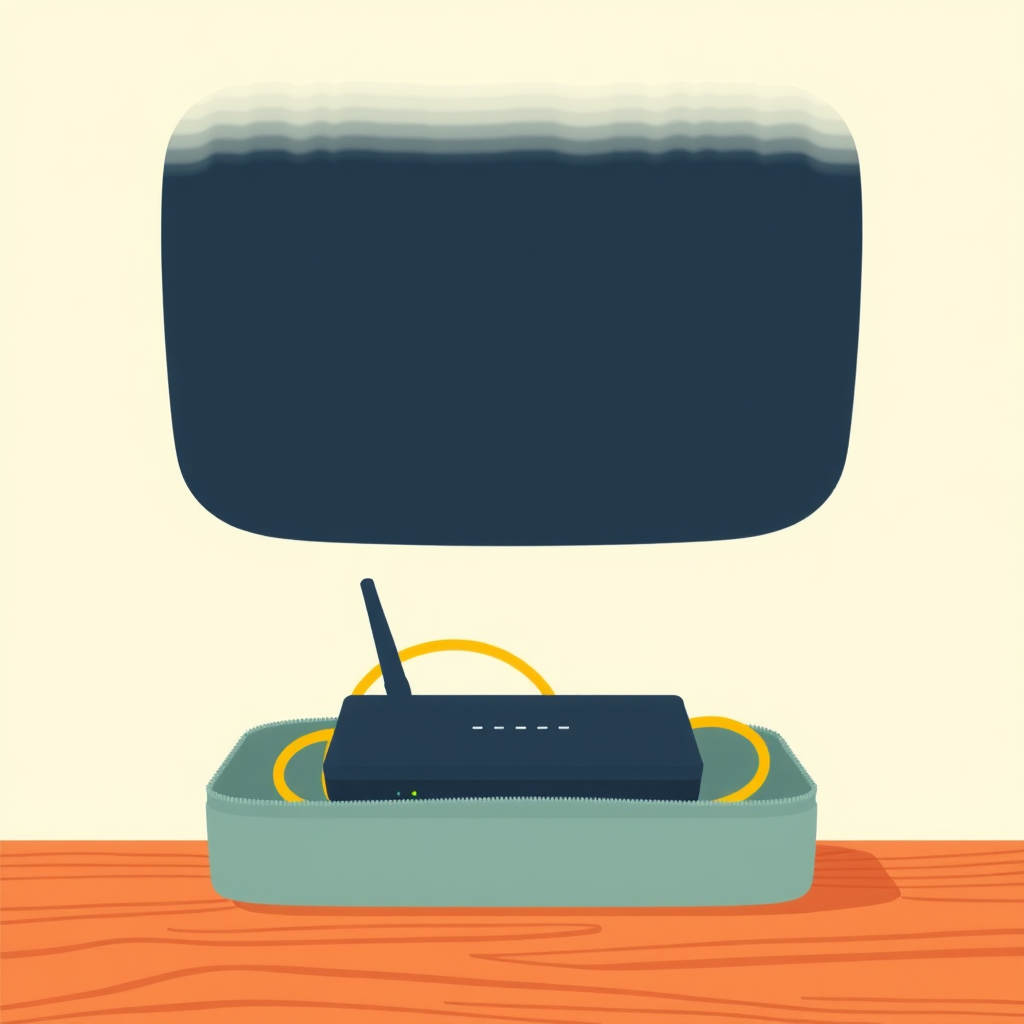
Building a Portable Enterprise Network in a Backpack solved a real problem raised by a listener sheltering in a Jerusalem safe room: standard travel routers fail in reinforced concrete spaces where the signal geometry is entirely different from a normal home. The episode specified the hardware stack for a portable network that actually works in hardened shelter conditions.
Survival Preparation
-
The UX of Survival: Engineering Modular Prep Kits applied user experience design principles to emergency preparedness — the PMPU (Packable Modular Preparedness Unit) system for organizing a go-bag so that the right kit for the right emergency is immediately retrievable under cognitive stress, without unpacking everything to find what you need.
-
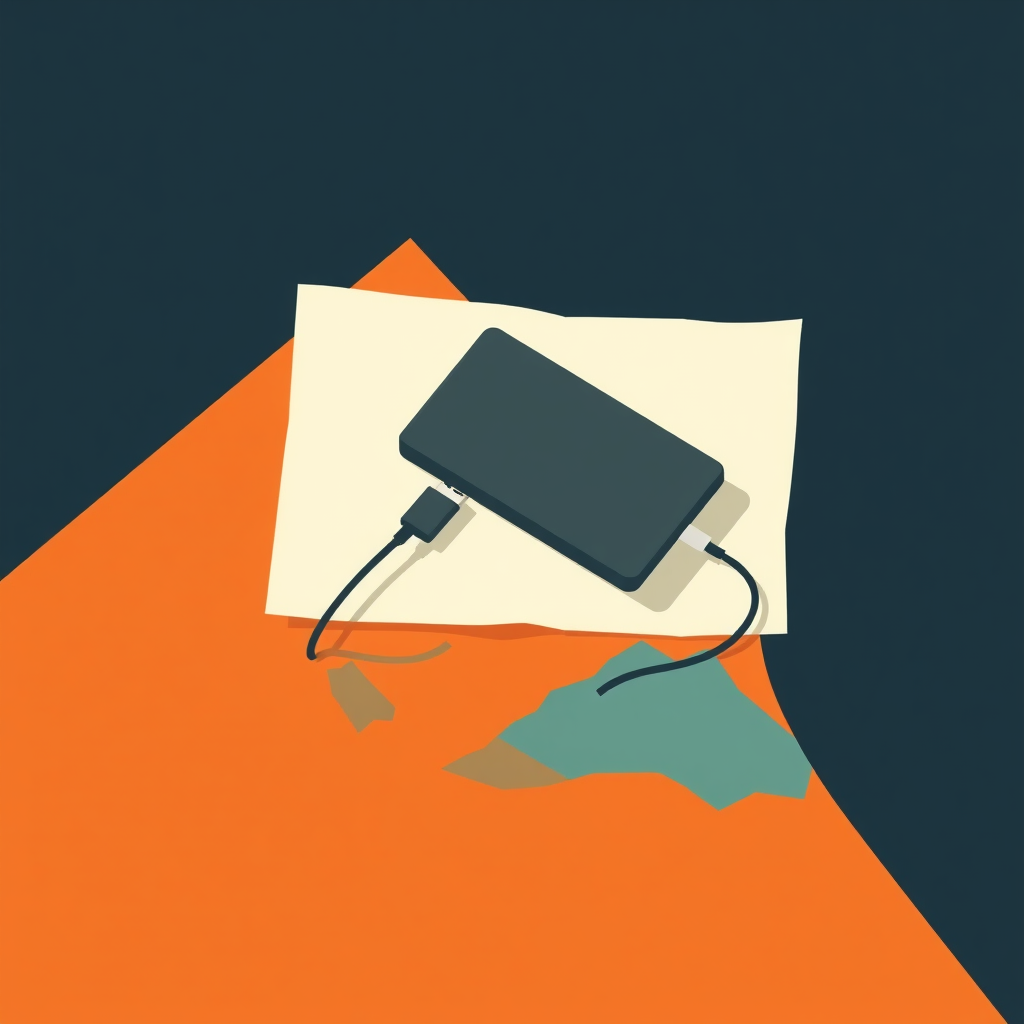
Powering Survival: The Tech of Portable Energy Banks covered the specific technical requirements for portable power in a high-tension urban environment — capacity calculations, pass-through charging, and the difference between consumer power banks and the medical-grade and industrial hardware that actually sustains communication devices through extended outages.
The Human Factor
-
The Sensory Budget: Navigating Overload in Times of Crisis examined the physiological reality of sensory overload in a shelter environment — why the combination of proximity alarms, visual alerts, and sustained stress creates a neurological state that degrades decision-making, and the practical protocols for managing “sensory budget” when stimulation cannot be avoided.
-
The Architecture of Resilience: Survival Psychology drew on survival psychology research to identify the cognitive and emotional patterns that distinguish people who remain functional under sustained threat from those who freeze or break. The episode covered the role of routine, humor, social connection, and physical movement in maintaining psychological stability.
-
The Science of Stability: Finding Ground Amidst Chaos examined the neurobiology of routine — why maintaining predictable daily structures during periods of extreme uncertainty provides genuine neurological stabilization, not just emotional comfort, and what the minimum viable routine looks like when your normal environment no longer exists.
-
Sound as a Shield: Reclaiming Calm in High-Stress Zones explored how sound can be used as an active tool for nervous system regulation in a conflict environment — from pink noise masking to binaural beats, the episode covered the neuroscience of auditory stress response and the specific audio tools that help reclaim calm between sirens.
Extreme Resilience
-
Beyond the Tunnels: The Science of Human Resilience examined the medical and psychological protocols developed to treat survivors of prolonged captivity — the specific physiological damage caused by sustained darkness, malnutrition, and psychological isolation, and the staged re-integration process that gives survivors the best chance of recovery.
-
The Art of Red Teaming: Why You Must Break Your Own Plans applied the military red-teaming methodology to civilian and organizational preparedness — the structured process of trying to destroy your own plan before an adversary does, and why organizations that invest in being proven wrong are more resilient than those that invest only in being right.
-
Purim in Jerusalem: Masks, Miracles, and Resilience was recorded in the middle of the conflict during the Jewish holiday of Purim — a meditation on how a city under fire manages to celebrate, and the deep cultural resources that Israelis draw on to maintain collective morale during extended periods of existential threat.
For the engineering of Israel’s missile defense systems and the physics of the weapons being fired at civilian populations, see The 2026 Iran-Israel War and Operation Epic Fury. For earlier episodes on emergency preparedness and home resilience, see Emergency Preparedness & Tech.
Episodes Referenced