Building Better Cities: Urban Planning, Transit, and the Future of How We Live
Cities are the most complex things humans build. They’re also the context most of us spend our entire lives inside, yet most of us know almost nothing about how they actually work — why they’re designed the way they are, who decided that, and what it would take to make them better. Corn and Herman have returned to urban planning again and again, building up a substantial body of episodes on the subject. This is the guide for listeners who want to understand the built environment.
The Foundation: What Architecture Is Actually For
- Firmness, Commodity, and Delight is the place to start. The episode revisits Vitruvius’s 2,000-year-old framework — that good architecture must be structurally sound, functionally useful, and aesthetically meaningful — and asks whether that standard holds up against modern construction. The hosts unpacked why “commodity” (utility) tends to win when budgets are tight, and why that default produces the kind of buildings that feel functional but lifeless.
How High Can We Actually Go?
-
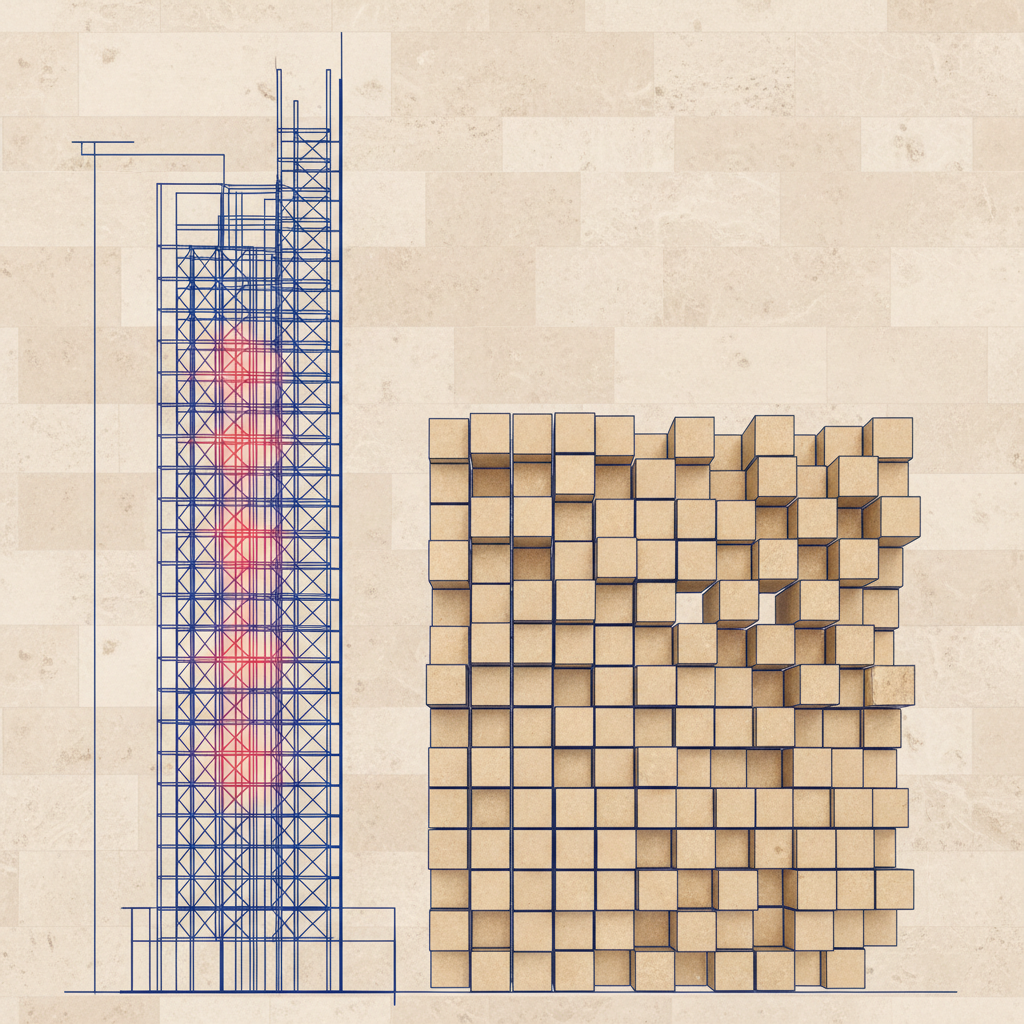
Beyond the Burj examined the engineering limits on vertical construction. The Burj Khalifa tops out at 828 meters; getting to a kilometer requires solving problems that current materials science can’t fully address — structural sway, elevator logistics, concrete curing at extreme heights, and the sheer weight of the building’s own infrastructure. The episode distinguished between what’s physically possible and what’s economically viable, which is a much shorter list.
-
The Skyscraper Lie pulled the conversation back to earth. Skyscrapers are frequently sold to city governments as density solutions — more housing units per acre — but the economics are more complicated. Ultra-tall residential towers are extraordinarily expensive to build, and the units they produce often end up targeting the luxury market rather than solving housing shortages. The episode used Jerusalem’s Gateway project as a case study in how ambitious skyline projects can fail the cities that commission them.
Zoning: The Invisible Force That Shapes Everything
-
Cracking the Code covered the fundamentals of zoning policy and how it shapes what cities look like. From Tokyo’s relatively flexible mixed-use model to the rigid separation of residential, commercial, and industrial zones common in North American planning, the hosts explained why the rules about what can be built where have more impact on daily life than almost any other government decision.
-
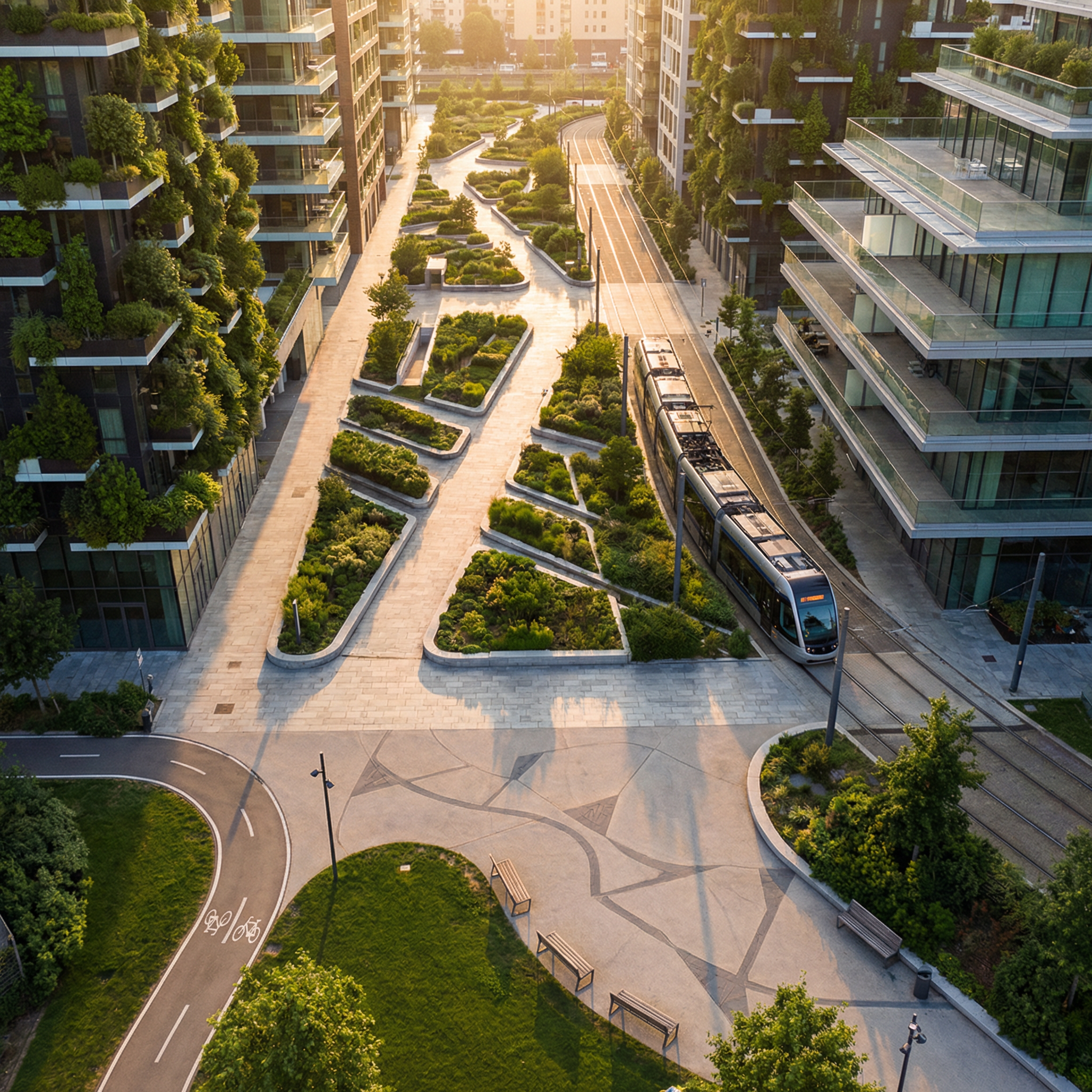
The Death of the Ghost Town made the case against single-use zoning more concretely. Office districts that empty out after 5pm, residential neighborhoods with nowhere to buy groceries, industrial zones surrounded by food deserts — these aren’t accidents, they’re the predictable outputs of planning orthodoxy that separates uses in space. The episode examined mixed-use development models that are producing more vibrant, economically resilient neighborhoods.
Designing for People
-
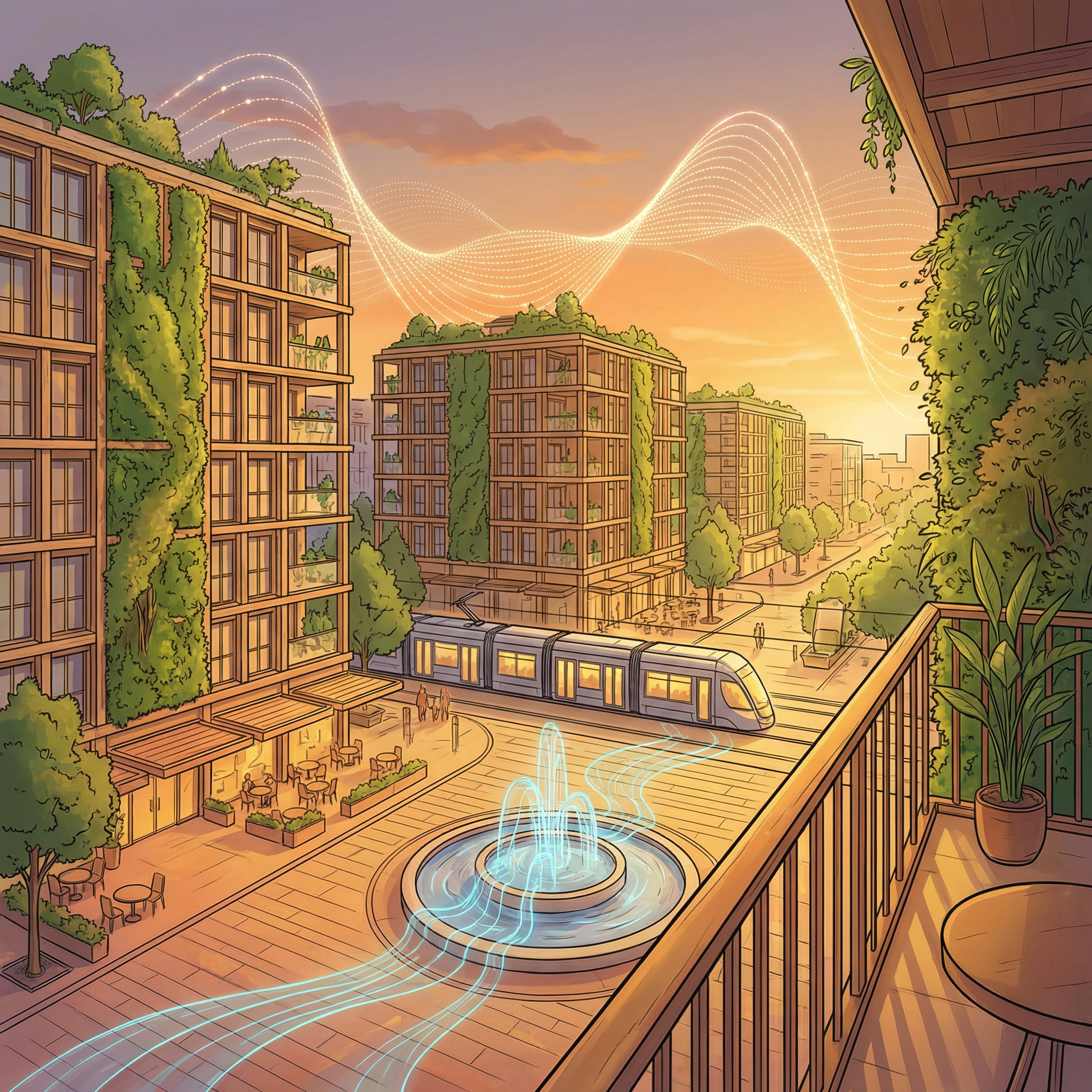
Density Without Stress tackled the tension between density — which cities need for economic and environmental reasons — and the lived experience of dense environments, which can be overwhelming, noisy, and alienating. The episode explored design principles from sensory processing research that produce dense neighborhoods people actually want to live in: acoustic buffering, access to nature, clear visual navigation cues, and commercial ground floors that activate streets without overwhelming them.
-
Urbanism for Everyone zoomed out to examine the advocacy side of city-building. Who gets a voice in planning decisions? The episode covered participatory planning processes, the history of how highways and urban renewal projects destroyed existing neighborhoods, and the emerging consensus that good urbanism isn’t primarily about aesthetics — it’s about who has access to jobs, schools, parks, and services, and how those distributions got decided.
Transit: The Artery of Urban Life
-
Policing Shekels, Losing Dollars examined a problem that affects every transit system that uses fare enforcement: the economic and social cost of the enforcement apparatus itself. Inspectors, fines, turnstiles, and the administrative burden of disputes all cost money and create friction. The episode made the case that in many contexts, aggressive fare enforcement costs more than the revenue it generates — and the riders who bear the cost of that friction most heavily are the ones who can least afford it.
-
How Experts Rank Public Transport moved beyond commuter frustration to examine how transportation researchers actually evaluate transit systems. Frequency, coverage, speed, reliability, and integration are the canonical metrics — and the episode explained why average commuters weight them very differently from planners, and what that gap costs. The counterintuitive finding: frequency matters more than speed for most trips, and most systems underinvest in frequency while over-engineering peak speed.
-
The End of the Car took on the biggest question in urban transport: can cities realistically wean themselves off private automobiles? The hosts evaluated the evidence from car-reduced urban cores in Oslo, Barcelona, and Paris, and distinguished between the conditions under which car reduction works (high transit density, walkable land use, political will) and the conditions under which it produces backlash. Electric vehicles don’t solve the core problem; EVs still require parking, produce traffic, and consume enormous amounts of urban space relative to the number of people they move.
-
Beyond the EV looked further ahead to autonomous vehicle networks as a potential transit layer between fixed-route systems and private ownership. The episode examined “mesh transit” concepts where autonomous vehicles operate as on-demand shuttles within defined zones, filling the coverage gaps that buses can’t efficiently serve. The technology is closer than most people think; the regulatory and infrastructure challenges are the actual bottleneck.
Urban Infrastructure You Never Think About
-
Vertical Harvests examined whether vertical farms — climate-controlled growing facilities stacked inside urban buildings — can deliver on their promises. The episode looked at the actual energy math, the crops that work and the ones that don’t, and the economic case for growing salad greens blocks from where they’ll be eaten vs. shipping them across a continent. The conclusion was more nuanced than either boosters or skeptics usually allow.
-
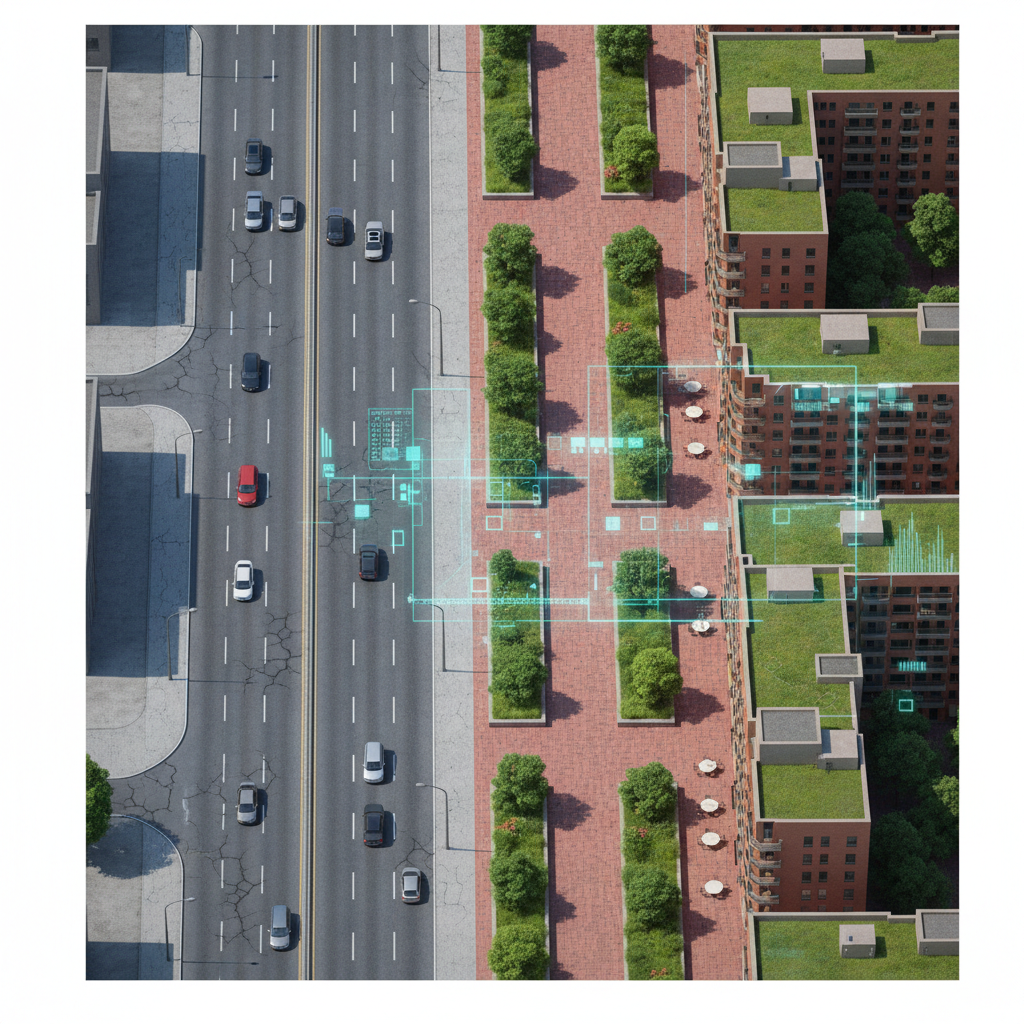
Under the Surface explored the surprisingly high-tech world of sewer infrastructure. Smart sensors that detect blockages before they fail, AI systems that predict maintenance windows, and epidemiological monitoring via wastewater analysis (which proved its value during the COVID-19 pandemic) — the infrastructure under our feet is getting dramatically more sophisticated. The episode made the case that urban infrastructure investment is unsexy but transformative.
-
The Science of Cool compared modern variable refrigerant flow (VRF) cooling systems with passive cooling strategies that ancient architects developed for hot climates — thick walls, courtyards, wind towers, and shading. As climate change makes cooling a survival issue rather than a comfort question, the episode argued that the most effective solutions combine both: high-efficiency mechanical systems layered on top of passive design principles rather than substituting for them.
-
The Red Light Revolution covered municipal lighting — specifically the health consequences of the shift to high-intensity blue-spectrum LED streetlights. The episode examined the circadian disruption evidence and the emerging push for amber-spectrum lighting in residential areas and near schools. The policy argument is compelling: cities can choose lighting that reduces energy consumption and protects public health simultaneously, but inertia keeps most of them on the blue-LED path.
Cities are built slowly and changed slowly, which makes understanding the principles that shape them more valuable than any single policy debate. These episodes give listeners the conceptual vocabulary to engage with urban planning arguments — and to notice the hidden systems that structure daily life every time they step outside.
Episodes Referenced