AI on Your Own Hardware: A Guide to Local AI and GPU Computing
The story of AI is inseparable from the story of hardware. The same models that ran exclusively on multi-million-dollar data centers in 2020 can now run on a consumer desktop in 2026 — and the gap keeps closing. Corn and Herman have covered this territory from multiple angles: the history that made local AI possible, the practical mechanics of running it, and the hardware choices that determine what’s feasible. This guide assembles those episodes in order.
Why the 2017 Moment Changed Everything
- The AI Breakthrough: Transformers and the Perfect Storm traced the convergence that made modern AI possible: the transformer architecture published in 2017, combined with the availability of commodity GPU hardware and the massive datasets that the internet had been accumulating for decades. None of these factors alone was sufficient; together they produced a phase transition. The episode explained why so many different AI capabilities — language, images, audio, code — all emerged within the same short window rather than staggering across decades.
The Hardware That Makes It Run
-
Why GPUs Are the Kings of the AI Revolution explained why graphics cards became the dominant compute substrate for AI, despite being designed for an entirely different purpose. The mathematical operations at the core of neural network training and inference — matrix multiplications across billions of parameters — map almost perfectly onto the parallel processing architecture that GPUs use for rendering pixels. The episode covered how this alignment was first discovered, what it meant for AI development timelines, and why NVIDIA’s early investment in GPU computing infrastructure gave it a near-insurmountable lead.
-
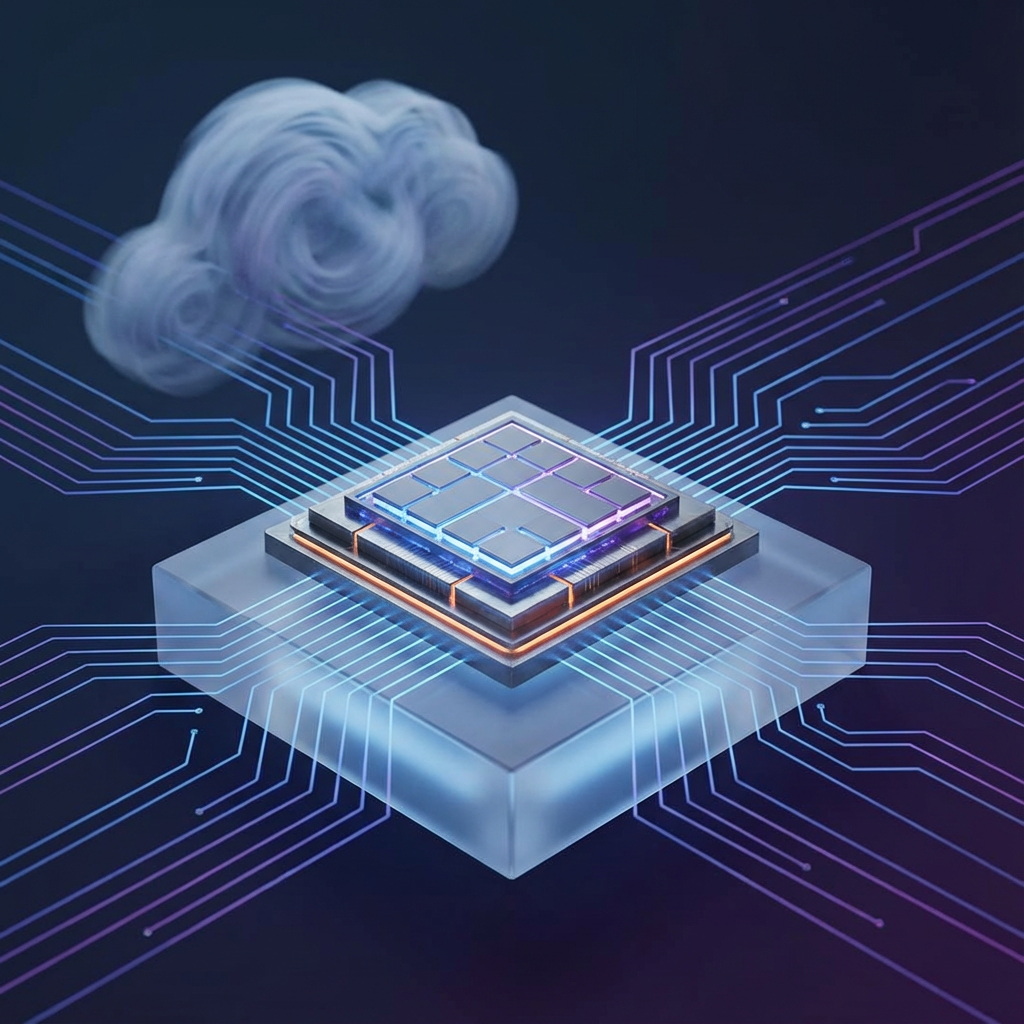
Beyond the GPU: Unpacking AI’s Chip Revolution looked past the current GPU paradigm to the specialized silicon being developed specifically for AI: tensor processing units, neuromorphic chips, and custom accelerators from companies like Google, Apple, and a wave of AI-focused startups. The episode examined the technical tradeoffs between general-purpose GPUs and purpose-built accelerators, and what the diversification of AI hardware means for the ecosystem.
-
GPU Brains: CUDA, ROCm, and the AI Software Stack got into the software layer that makes GPU hardware useful for AI. CUDA — NVIDIA’s proprietary parallel computing platform — became the de facto standard, which is a significant part of why NVIDIA’s market position is so difficult to displace. ROCm is AMD’s open-source alternative, and the episode examined the state of that ecosystem honestly: technically capable, but behind CUDA in library coverage and developer tooling. Understanding the software stack is essential for anyone making hardware purchasing decisions for AI workloads.
The AMD vs. NVIDIA Question
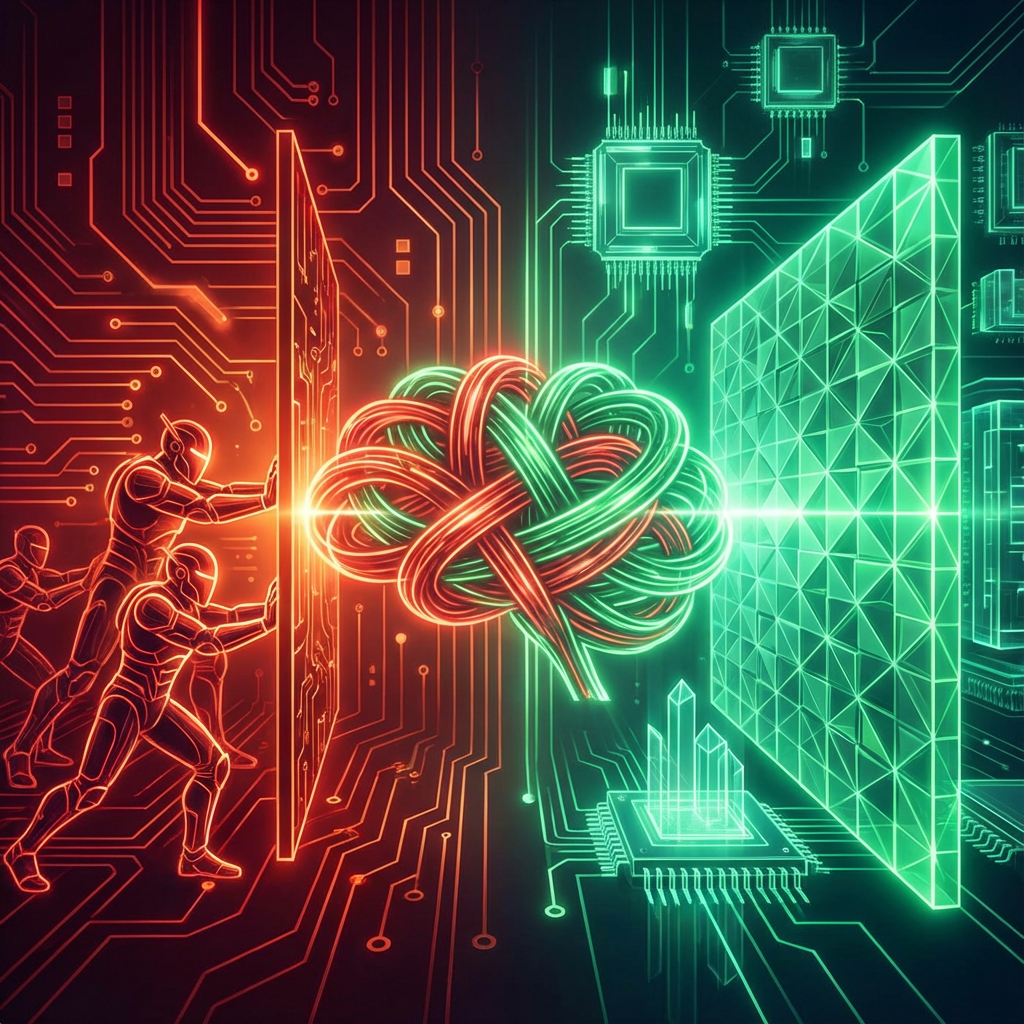
- Red Team vs. Green: Local AI Hardware Wars addressed the most practically important hardware choice for anyone building a local AI setup: AMD or NVIDIA? The episode examined price-to-performance for inference workloads specifically (not training), the state of ROCm compatibility with popular inference tools, and the real-world friction that AMD users encounter. The conclusion was nuanced — AMD is viable and getting better, but the CUDA ecosystem advantage is real and affects which tools “just work” on day one.
The Case for Running AI Locally
-
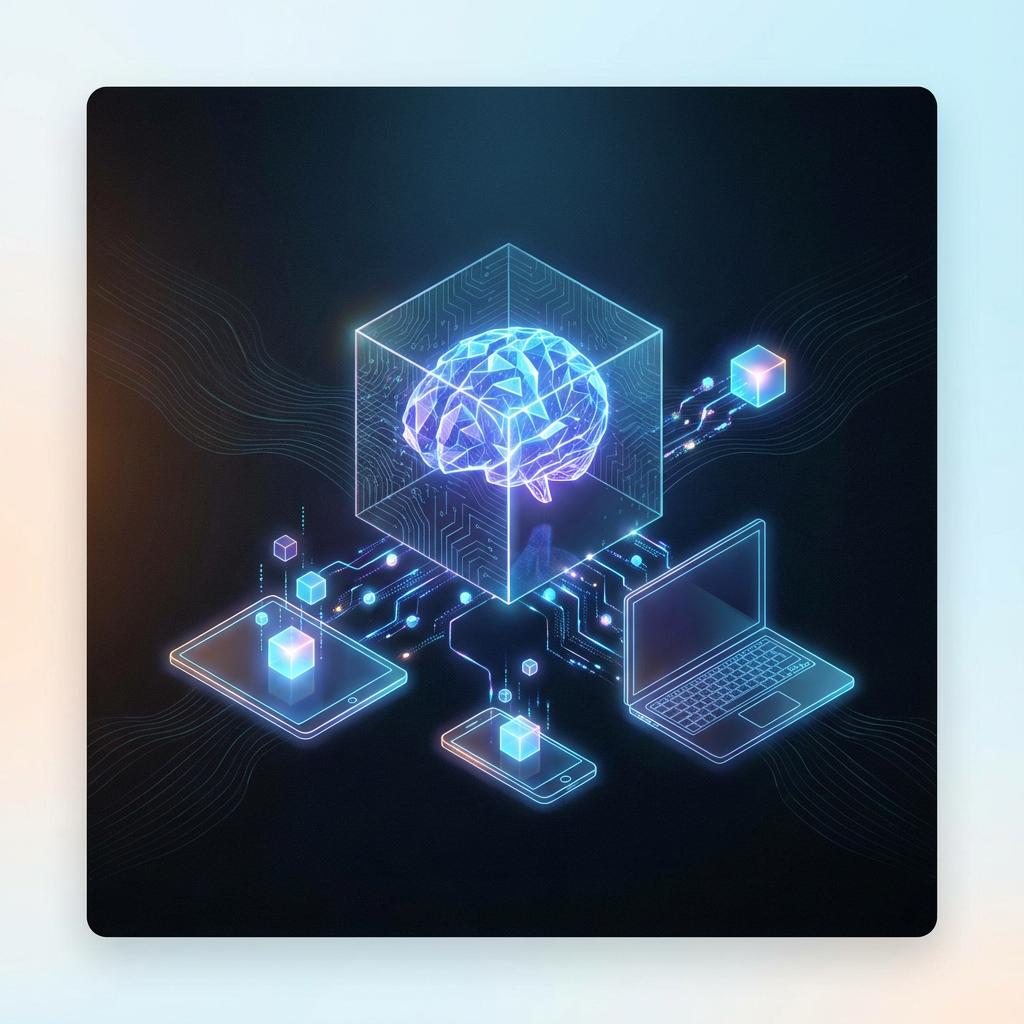
AI Supercomputers: On Your Desk, Not Just The Cloud examined the dramatic shift in what consumer hardware can actually do. Once theoretical, powerful local AI inference is now practical — NVIDIA’s DGX Spark brought data-center-grade compute to a desktop form factor, and the cost curve for running serious models locally continues to fall. The episode covered the economic argument (no API costs at scale), the privacy argument (data never leaves your hardware), and the compliance argument (regulated industries that can’t use cloud processing).
-
Unlocking Local AI: Privacy, Creativity, and Compliance went deeper on who actually runs local AI and why. The three driver categories — privacy, creativity, and compliance — each attract different user profiles and different hardware configurations. Privacy-focused users want local inference so their conversations don’t train cloud models; creative users want unconstrained models and experimental capabilities; compliance users operate in industries where cloud data processing violates regulatory requirements. The episode mapped these use cases to practical setup recommendations.
The Technical Enablers
-
SLMs: Precision Power Beyond LLMs made the case for small language models as a distinct category, not just a compromise. Models in the 1-7 billion parameter range that are fine-tuned for specific tasks often outperform much larger general-purpose models within their domain. For local deployment, their lower memory and compute requirements are decisive — they can run on hardware that large models can’t use at all. The episode covered the use cases where small models win and the cases where they genuinely can’t substitute for scale.
-
Local AI Unlocked: The Power of Quantization explained the technique that made consumer-grade local AI practical. Quantization reduces the numerical precision used to represent model weights — from 32-bit or 16-bit floating point to 8-bit or even 4-bit integers — dramatically shrinking memory requirements with relatively modest accuracy losses. A model that requires 48GB of VRAM at full precision might run in 8GB at 4-bit quantization. The episode covered the mathematics, the tradeoffs, and how to evaluate whether a quantized model is still good enough for a given use case.
-
Building the Ultimate Local AI Inference Server got practical: what does a serious local AI setup actually look like in 2025-2026? The hosts covered CPU and memory requirements (often underestimated), storage (fast NVMe for model loading), and the GPU choices available at different price points. The episode also addressed software infrastructure: inference servers like Ollama, LM Studio, and llama.cpp, and how to evaluate which model formats and sizes are appropriate for a given hardware configuration.
The Hardware-Software Boundary
-
Beyond the Desktop: Defining the 2026 Workstation examined what distinguishes a workstation from a consumer desktop in an era where the lines have blurred significantly. ECC memory, higher core counts, professional GPU options, and reliability certifications matter differently for AI workloads than they did for traditional workstation use cases. The episode helped listeners understand what they’re actually paying for when workstation-class hardware costs two to three times the consumer equivalent.
-
Memory Wars: The Future of Local Agentic AI looked at the frontier. As AI moves from chat to autonomous agentic workflows — systems that maintain state, use tools, browse the web, and run for hours rather than seconds — the hardware requirements shift significantly. Context window sizes, which determine how much information an agent can hold in active memory, are currently the binding constraint. The episode mapped the trajectory of hardware development against the requirements that genuinely useful local AI agents will demand.
Local AI is no longer a hobbyist curiosity — it’s a viable alternative to cloud inference for a wide range of workloads, and it’s getting more capable with each hardware generation. These episodes provide the conceptual foundation for making informed decisions about hardware, models, and software infrastructure, whether you’re a developer building local AI applications or a power user who wants to own the compute behind your AI tools.
Episodes Referenced