The Science of the Workspace: Ergonomics, Voice Control, and the Home Office That Works
The home office is where most knowledge workers spend the majority of their waking hours, yet most home offices are assembled from whatever furniture fits the space and whatever gear was cheapest. The result is a workspace optimized for nothing in particular — and often actively hostile to the human body and the high-value work happening inside it. These six episodes cover the physical ergonomics, the lighting science, the voice control infrastructure, and the electrical fundamentals that make a workspace genuinely functional.
Desks: The Foundation
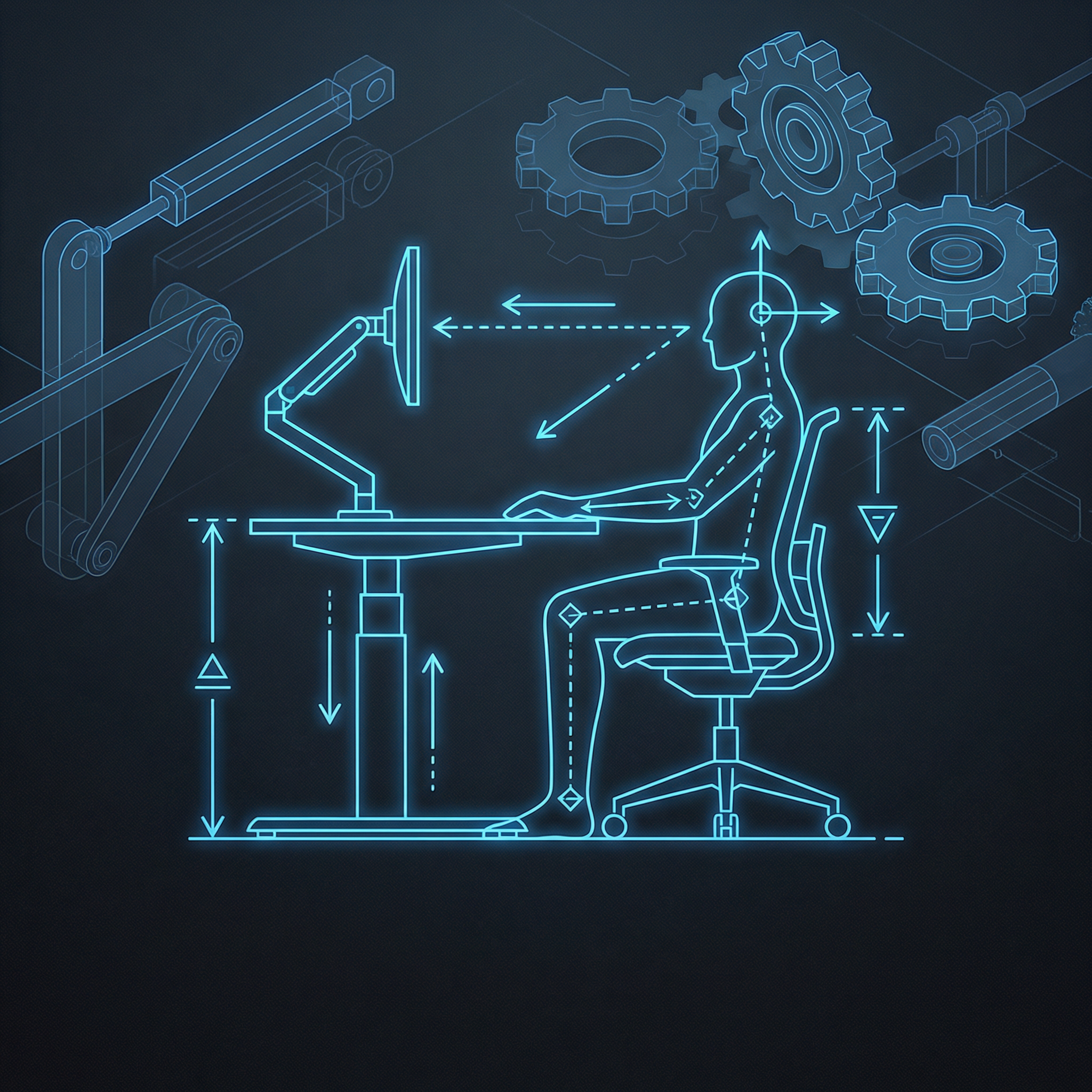
- Beyond Standing: The Science of the Perfect Desk Height cut through the standing desk marketing to explain what height-adjustable workstations actually accomplish — and why getting the height wrong negates most of the benefit. The episode covered the biomechanics of sitting and standing posture, the specific measurements that matter (elbow angle, monitor distance, wrist neutrality), and the counterintuitive finding that the optimal standing height is higher than most people set their desks. Brief, frequent transitions between positions outperform either static posture, which means the controller that lets you switch heights in two seconds is not a luxury feature but the central point.
Lighting the Workspace
- Light Discipline: Pro Lighting for Triple Monitor Desks tackled the specific challenge of ambient lighting in a multi-monitor setup constrained by shared living space. The problem is a constrained optimization: you need enough ambient light that the monitor-to-surround contrast doesn’t cause eye strain, but not so much that reflections wash out the screens or the light disturbs a partner. The episode covered bias lighting (LED strips behind monitors keyed to screen brightness), the color temperature of task lighting, and how to manage the day-to-evening lighting transition without a dedicated studio space.
Voice Control: The Microphone Infrastructure
-
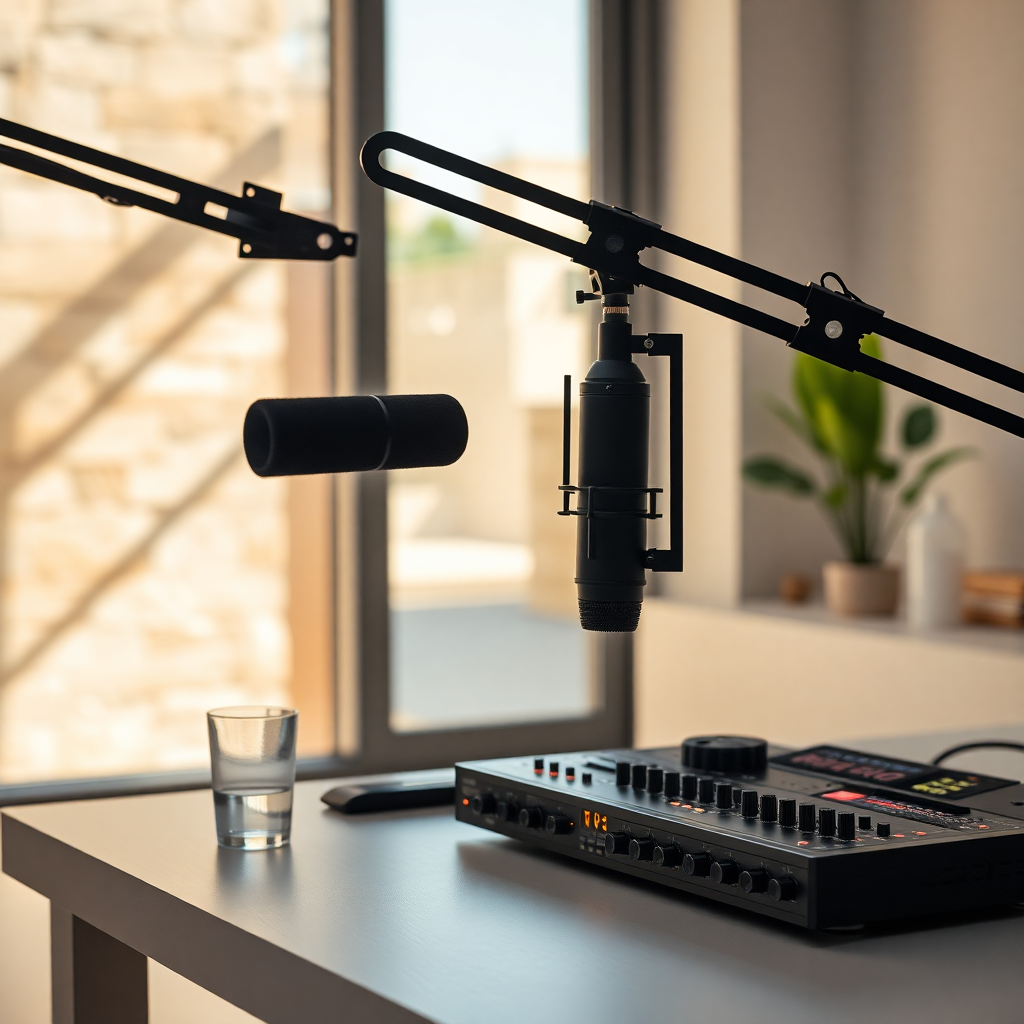
Beyond the Headset: Pro Audio for AI Voice Control attacked the problem of dictation accuracy from a hardware angle. Most people treat speech-to-text failures as software failures, but the microphone is often the actual bottleneck. The episode covered the difference between dynamic and condenser microphones, the practical case for near-field placement over headset designs, and the specific test methodology Herman and Corn used to identify which hardware configurations produced the highest accuracy across different AI transcription backends. The 99% accuracy target is achievable — but it requires matching the microphone to the acoustic conditions of the actual room.
-
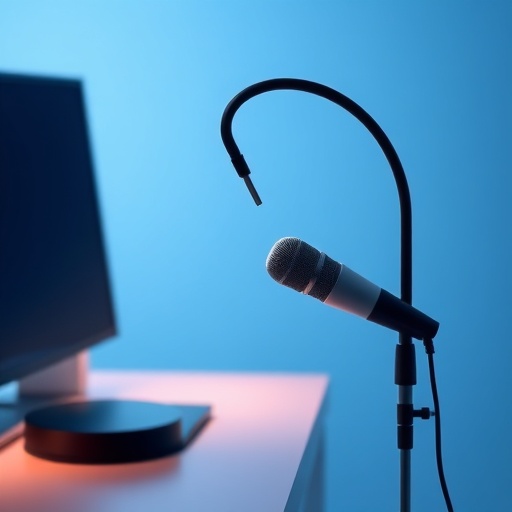
The Gooseneck Mic: The Unsung Hero made the case for a hardware form factor that looks unglamorous but solves the core problem of voice input better than most alternatives. The gooseneck microphone — a flexible-arm condenser mounted on a desk base — maintains consistent near-field distance without requiring a boom arm or headset, freeing the user’s head and hands. The episode compared gooseneck designs against headsets and desktop condensers, covered the acoustic tradeoffs in each configuration, and explained why professional transcription environments converged on this format decades before consumer voice AI made it relevant to a wider audience.
Voice Quality: Noise and the Real World
-
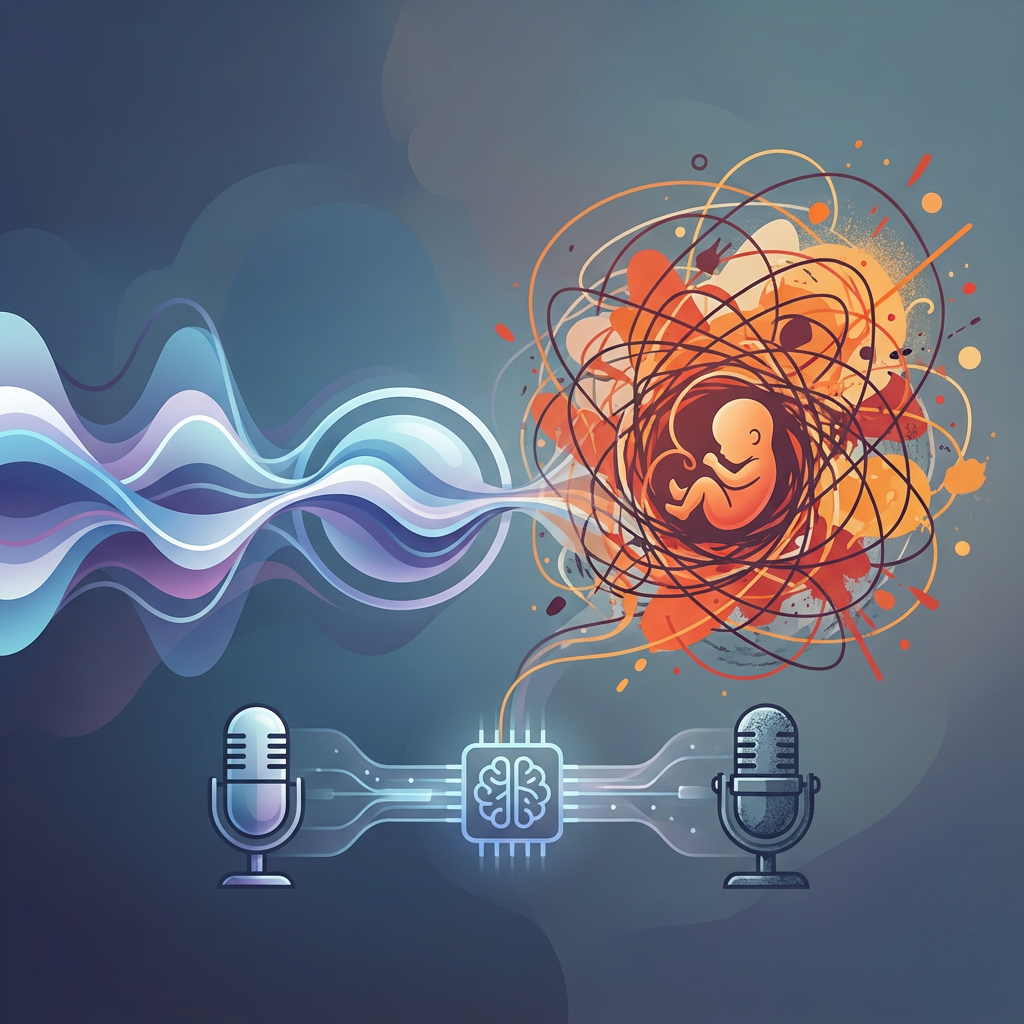
Clean Audio, Messy Reality: Noise Removal for Voice-to-Text addressed the problem that every voice workflow eventually hits: the real world is noisy, and speech-to-text systems degrade sharply when background noise crosses certain thresholds. The episode examined which noise removal approaches — hardware filtering, software preprocessing, and real-time AI noise suppression — actually improve transcription accuracy and which add latency or artifacts that make things worse. The test case of recording while holding a baby (with the associated background chaos) grounded an otherwise technical discussion in the conditions that home office workers actually face.
-
The Heart of the Machine: Why Your PSU Matters extended the power quality conversation into the hardware itself. The power supply unit is the most underrated component in any computing system — and the one most likely to cause cascading failures when it degrades. The episode examined 80 Plus efficiency ratings, the difference between consumer and server-grade PSU design, and why an aging or undersized power supply can cause symptoms (random crashes, USB instability, erratic fan behavior) that are routinely misdiagnosed as software problems. For a home office where hardware failure means lost work and downtime, power supply quality is not a corner to cut.
A functional home office is a system, not a collection of parts. These episodes cover the layers that most setup guides ignore: what the body needs from the desk, what the eyes need from the lighting, what voice workflows need from the microphone, and what all of it needs from the electrical supply underneath.
Episodes Referenced