How We Treat Other Species: Ethical Tourism, Animal Welfare, and the Biology of Wild Creatures
Our relationships with other species — and the wider natural world — reveal something important about us: what we value, what we are willing to exploit for entertainment or profit, and how we think about the moral status of non-human life. These episodes approach that relationship from multiple angles: the tourist economy that monetizes wildlife contact, the foundational primate research that shapes human medicine, and the transformative potential of travel done with genuine curiosity rather than consumption.
The Sloth and the Selfie
- Beyond the Smile: The Truth About Ethical Sloth Tourism started with an image that circulates endlessly on social media: a tourist holding a sloth, both appearing to smile, in a tropical setting. The episode dismantled the ethics of this picture methodically. Sloths are not domesticated animals — they are wild mammals with specific metabolic, social, and environmental requirements that make human handling genuinely harmful. The episode explained sloth biology in detail: why these animals are evolutionary masterpieces of energy conservation (not “lazy”), why their extreme metabolic slowness makes them acutely vulnerable to stress, and what the physiological effects of tourist handling actually are.
The second half of the episode mapped the industry that produces those photos. Sloths used in tourist encounters are typically captured from the wild, kept in conditions that are incompatible with their health, and rotate through a handling workflow that would kill a mammal with less extreme stress-response suppression than sloths happen to have. The hosts examined how to evaluate wildlife tourism operators — certification programs, red flag behaviors, and the questions to ask before paying — and made the case that “ethical wildlife tourism” is a meaningful category, not an oxymoron, but that it requires active scrutiny rather than trusting marketing.
What Primates Teach Us About Human Bodies
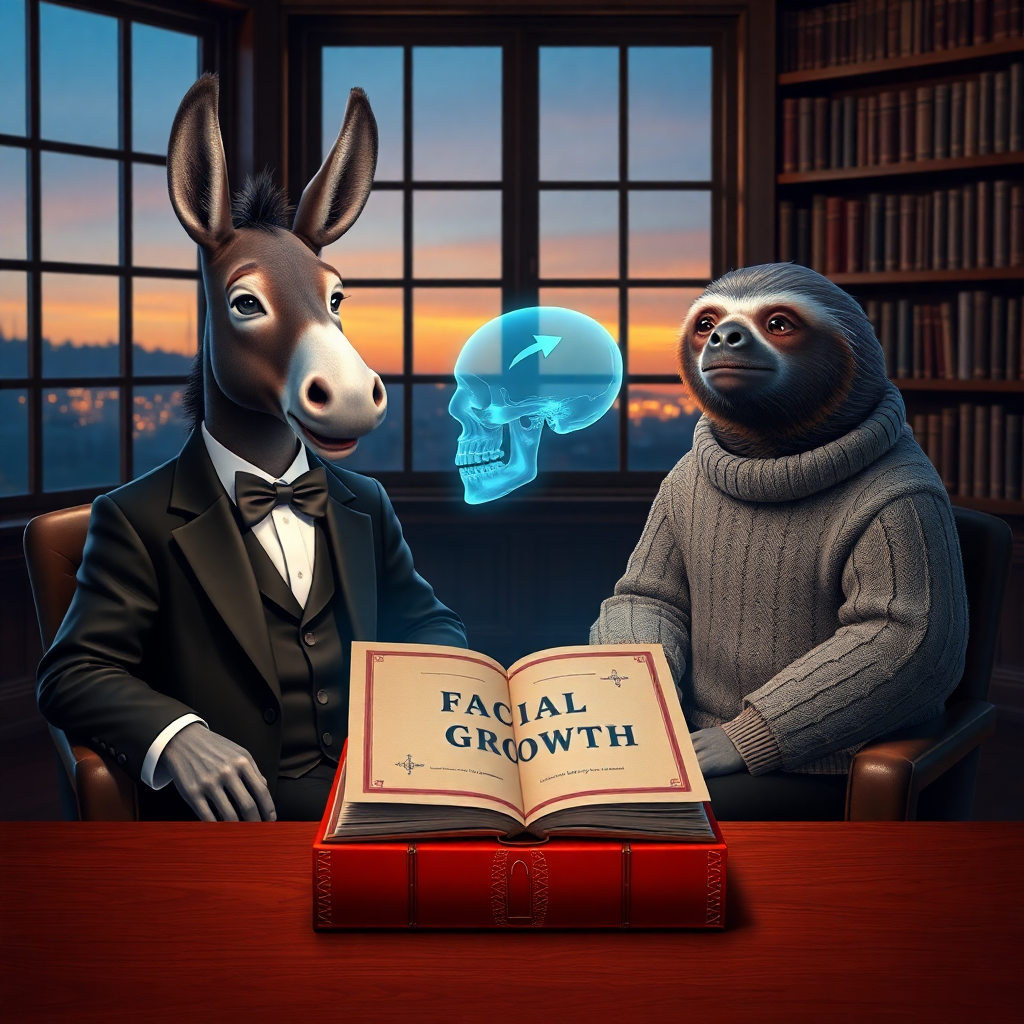
- Monkey Jaws and Human Health: The Blueprint of Growth covered research that sits at the intersection of physical anthropology, orthodontics, and developmental biology. Dr. Emet Schneiderman’s foundational work on craniofacial development in Rhesus macaques established how facial bones remodel, migrate, and grow over time — with direct implications for understanding human growth patterns and the mechanisms behind orthodontic intervention. The episode went deep into the mechanics of bone remodeling, the growth plates and sutures that govern facial structure, and why studying non-human primates provides insights into human development that direct human studies cannot easily produce. For anyone who has ever wondered why certain orthodontic treatments work or why faces change shape with age, this episode is a genuinely illuminating window into the biology underneath.
Travel as a Tool for Perspective
- The Outlook Shift: 5 Destinations to Change Your Life approached tourism from the opposite end of the ethical spectrum from sloth selfies: travel as an act of genuine curiosity, undertaken specifically to challenge baseline assumptions about how life can be organized. Herman and Corn walked through five destinations selected not for beaches or Instagram aesthetics but for their capacity to unsettle comfortable assumptions — societies that have solved housing differently, approached public space differently, or built communities around different values. The episode was a practical guide but also an argument: that the most valuable thing travel can produce is not photographs but updated mental models of what’s possible.
How we treat other creatures and other places — whether in tourist economies, research settings, or moments of genuine encounter — reflects commitments that are worth examining explicitly. These episodes provide the factual and ethical foundation for those assessments: the biology that determines what harm looks like, the research that depends on our relationship with other species, and the travel philosophy that produces transformation rather than extraction.