Breathing Better: A Listener's Guide to Asthma and Respiratory Health
Asthma is one of the most common chronic conditions in the world, and one of the most poorly explained to the people who have it. Most patients know they should avoid triggers and use their inhaler — fewer understand why a specific trigger causes constriction, why one class of medication works immediately and another takes weeks, or what the distinction between asthma and autoimmune lung disease actually means for treatment. The show has built a genuinely strong collection of respiratory episodes that go well beyond the basics.
The Immune Mechanics of Asthma
-
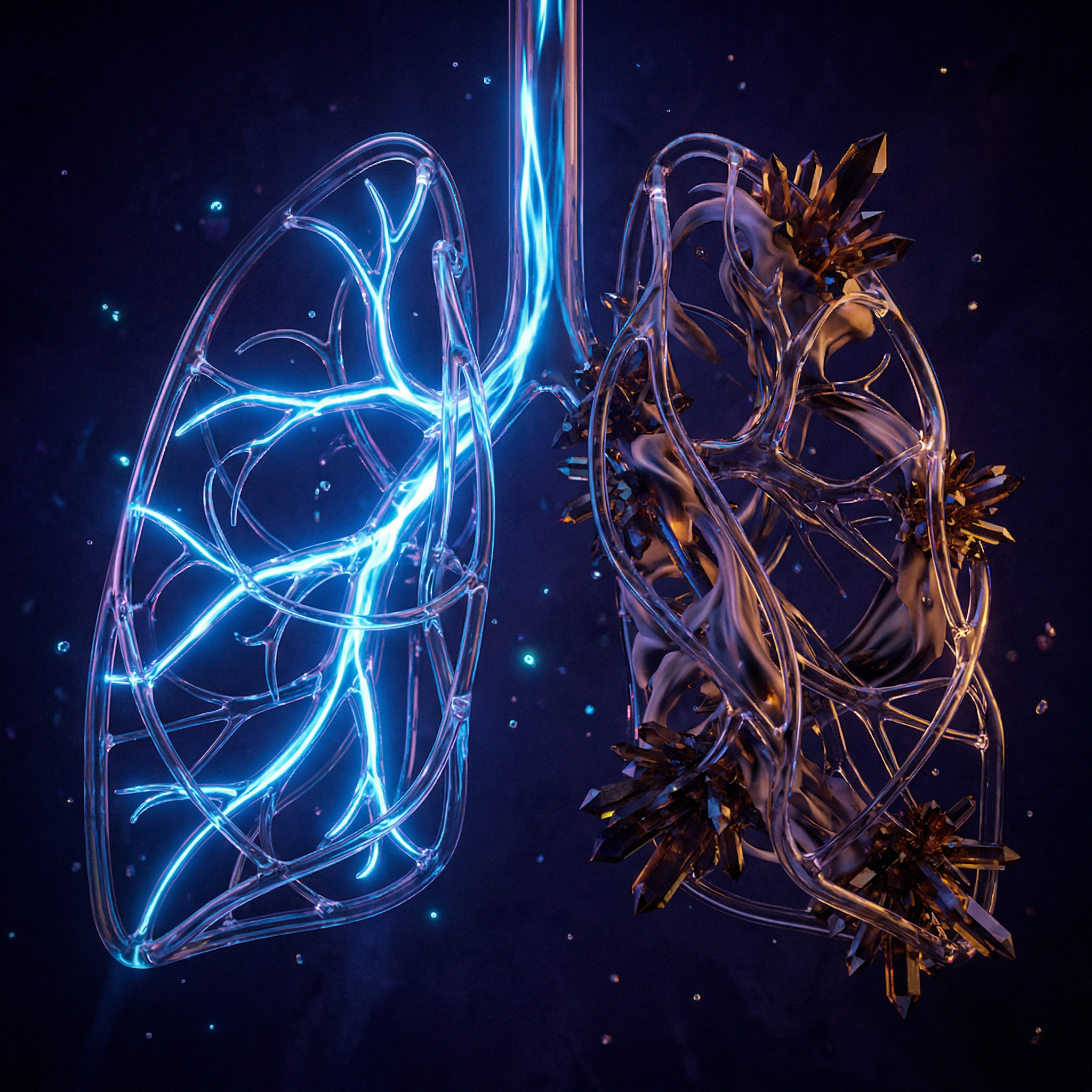
The Asthma Code: Why Your Lungs Ignore Antihistamines is the essential foundation episode for the rest of this cluster. Many people with asthma assume that their lungs should respond to antihistamines the same way their nose does — and are frustrated when they don’t. The episode explained why: allergic rhinitis is driven primarily by histamine, while asthma is driven primarily by leukotrienes, a different class of inflammatory mediators released from mast cells and eosinophils. The two pathways share a trigger but diverge almost immediately after, which is why the medications that address one often do little for the other. Understanding this distinction is the foundation for everything else in asthma management.
-
Asthma vs. Autoimmunity: The Mystery of the Misguided Lung explored the diagnostic boundary between asthma and conditions like eosinophilic granulomatosis, hypersensitivity pneumonitis, and autoimmune bronchiolitis — diseases that look like severe asthma but involve fundamentally different immune mechanisms. The episode traced why the distinction matters enormously for treatment: steroids and bronchodilators that control classic asthma can be the wrong tool entirely for autoimmune lung disease, and some autoimmune conditions require immunosuppression that would be inappropriate for standard asthma.
Triggers, Technology, and Day-to-Day Management
-
Breathing Through a Straw: New Science in Asthma Care examined the expanding trigger landscape. Mold, temperature shifts, air quality events, exercise, and stress all operate through overlapping but distinct mechanisms, and the episode explained what the research says about identifying an individual’s specific trigger profile. It also covered the emerging generation of smart inhalers that track usage patterns and correlate symptom events with environmental data — moving asthma management from reactive to genuinely predictive.
-
Life and Breath: Mastering Modern Asthma Management challenged the widespread use of rescue inhaler-first approaches for patients who should be on preventer therapy. The Global Initiative for Asthma has revised its guidelines significantly in recent years, moving away from short-acting beta agonists as first-line treatment and toward combination inhalers even for mild persistent disease. The episode covered what those guidelines actually say and why many patients are still receiving outdated advice.
When the Treatment Itself Is Confusing
- Slow Burn: Why Singulair Takes Two Weeks to Kick In addressed one of the most common sources of patient frustration with asthma medication. Montelukast (Singulair) reaches its target receptors within hours of the first dose — yet clinical benefit typically doesn’t appear for ten to fourteen days. The episode worked through the mechanism: leukotriene receptor antagonists don’t produce immediate bronchodilation, they modulate inflammatory gene expression in airway tissue, and that structural change in airway biology takes time to accumulate into symptom improvement. For patients who stop taking the medication because “it isn’t working,” this episode is the explanation they needed.
Asthma and Air Quality
-
Breathing Through the Orange: AQI and Asthma Safety connected the immunological mechanisms of asthma to the real-world air quality events that trigger exacerbations. Jerusalem’s recurring Saharan dust storms — which push the Air Quality Index above 800 — provided a vivid case study, but the episode’s framework for thinking about AQI thresholds, particulate size, and inhaler protocol adjustments applies anywhere. It covered when to stay indoors, when to upgrade filtration, and when to escalate medication as an evidence-based decision rather than a panic response.
-
Breathe Easy: Navigating the World of 3M Respirators moved from the atmospheric to the personal. When the air quality outside is genuinely hazardous, face protection becomes relevant — but the respirator market is a confusing alphabet soup of standards (N95, P100, FFP2, FFP3) that most people navigate by guesswork. The episode broke down what each rating actually means in terms of particle filtration efficiency, the difference between a respirator and a mask, and how to match the right equipment to the actual hazard.
The Long COVID Dimension
- The Shadow Pandemic: Long COVID’s Reality in 2026 examined what five years of research has clarified about post-acute sequelae of COVID-19, with particular attention to the respiratory manifestations. The episode covered the current leading hypotheses — viral persistence, microclot formation, immune dysregulation — and what they imply for management. For people with pre-existing asthma, long COVID’s respiratory effects can compound in ways that complicate treatment, and the episode addressed that overlap specifically.
What unites these episodes is a commitment to explaining the why behind the what. Knowing that leukotrienes drive asthma differently than histamine drives rhinitis, or that Singulair works through gene expression rather than immediate receptor blockade, doesn’t just satisfy curiosity — it makes patients more effective advocates for their own care.
Episodes Referenced