Jerusalem Through the Ages: Ancient Life, Sacred History, and the Weight of the Past
Jerusalem is one of the most documented cities in human history — and yet most people living in it, or visiting it, encounter its depth as a series of tourist placards rather than as a living intellectual engagement with what actually happened here. These eight episodes take the city’s history seriously, from the engineering challenges of excavating a 2,000-year-old road through a functioning modern city to the foods that fed Jerusalem’s population three millennia ago and the legal ghost of partition plans that still haunt the city’s present.
Daily Life in Ancient Jerusalem
-
Beer for Breakfast: Daily Life in 1st Century Jerusalem stripped away the cinematic portrayal of Biblical-era Jerusalem — the marble, the solemnity, the robed crowds — and replaced it with something more grounded and more interesting. The episode reconstructed what navigating the city in the Herodian era actually felt like: the noise, the smell, the street hierarchy, the commercial density of the Lower City, and the social rituals that governed interaction between classes, genders, and ethnic groups. The hosts drew on archaeological evidence and recent scholarship to describe a city that was simultaneously a provincial Roman town, a pilgrimage destination generating enormous seasonal economic activity, and a political tinderbox on the edge of insurrection.
-
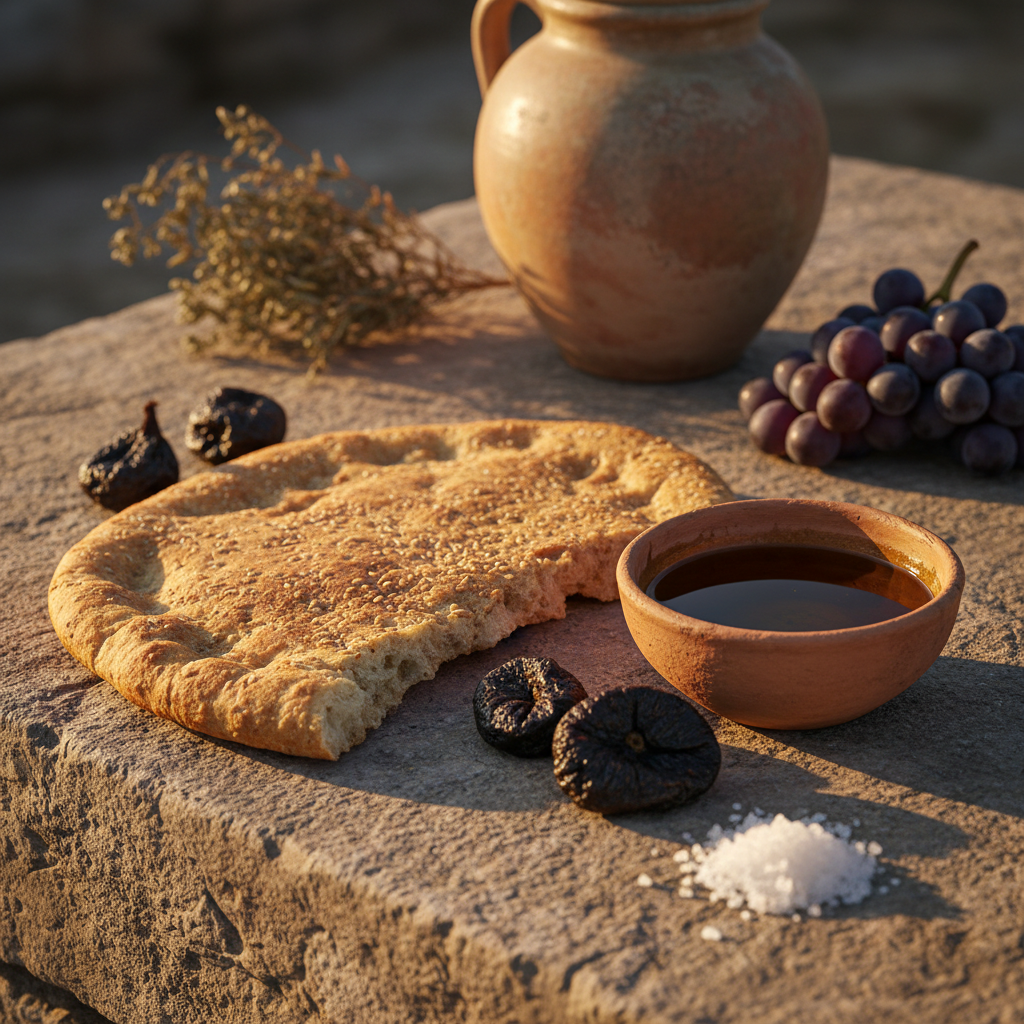
The Biblical Pantry: Dining in 700 BCE Jerusalem went even further back, to First Temple period Jerusalem, and reconstructed the kitchen. Tomatoes, potatoes, peppers, and corn — all the familiar “Mediterranean” ingredients — were unknown in the ancient Levant, being New World foods that arrived after 1492. What actually appeared on an Iron Age Jerusalem table was lentils, figs, olives, barley, wine, sheep’s milk cheese, and olive oil, supplemented seasonally by whatever the surrounding agricultural terraces produced. The episode used food as a lens into agricultural technology, trade networks, and the social meaning of eating in a temple-centric urban culture.
Engineering Beneath the Streets
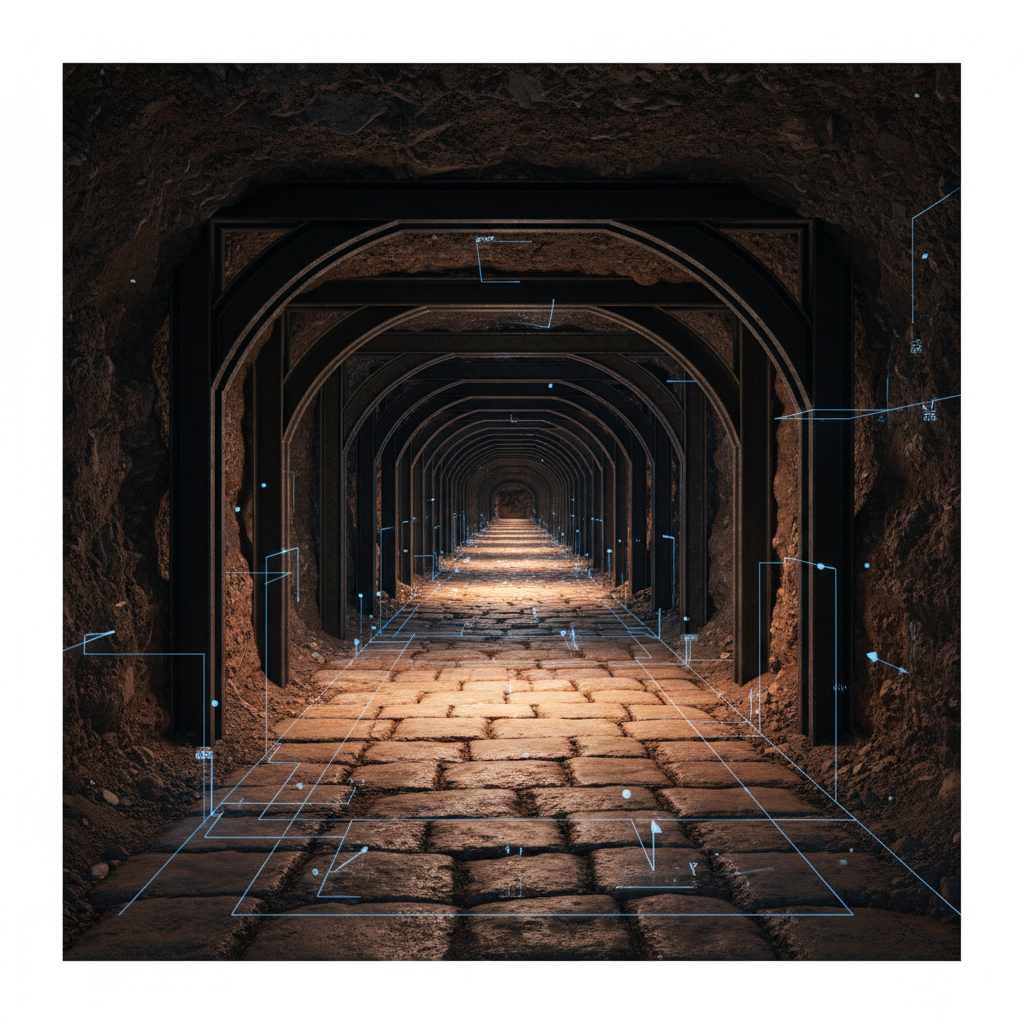
- Steel and Stone: Engineering Jerusalem’s Pilgrimage Road covered one of the more extraordinary ongoing archaeological projects in Israel: the excavation of the Pilgrimage Road, the 2,000-year-old stone street that ran from the Pool of Siloam to the Temple Mount and carried hundreds of thousands of pilgrims three times annually during the Second Temple period. The engineering challenges of excavating a monumental ancient street while a dense modern Palestinian neighborhood sits directly above it are immense — tunneling beneath occupied buildings, shoring up foundations, managing groundwater. The episode examined how Israeli archaeologists and engineers are navigating these constraints and what the project has revealed about the scale and organization of ancient Jerusalem’s pilgrimage economy.
The Ancient Trade Networks
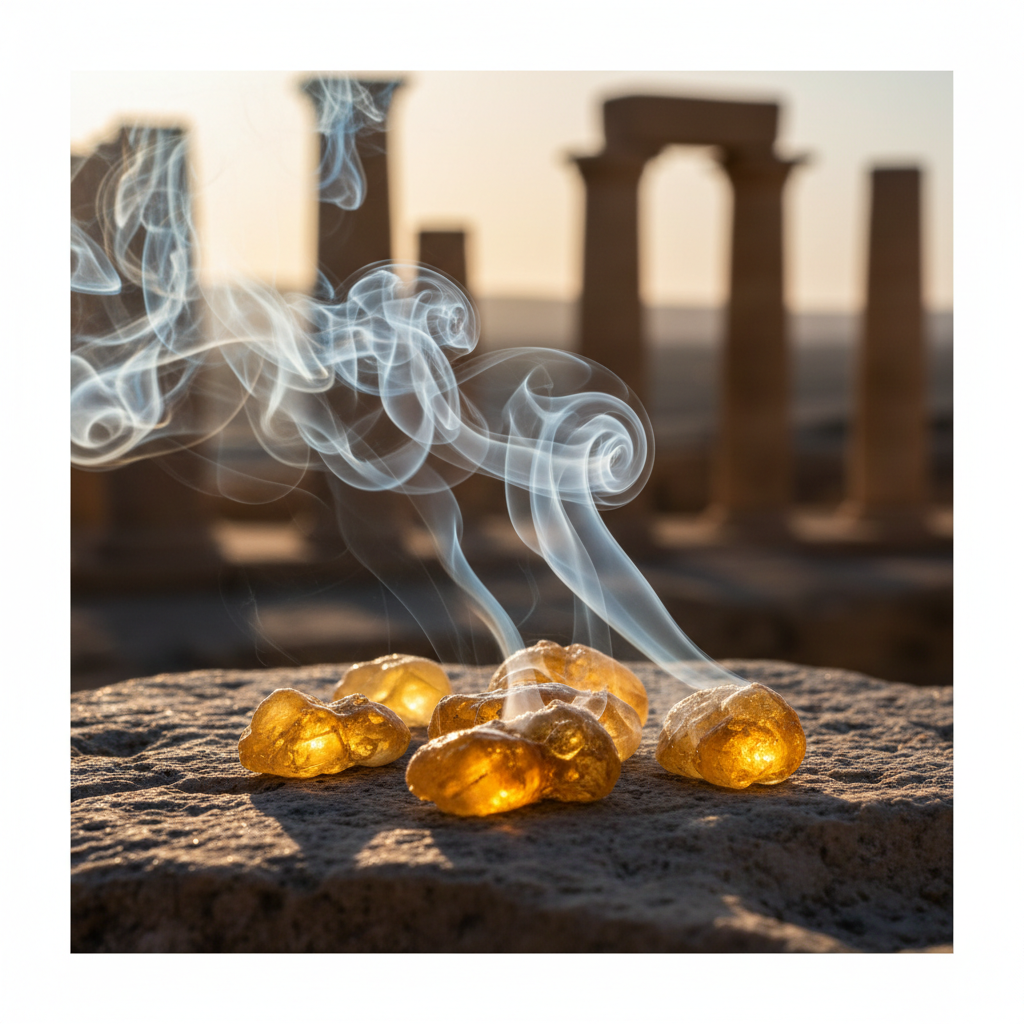
- Tears of the Tree: The Secret History of Frankincense followed frankincense from its source — the Boswellia sacra trees of the Dhofar region of Oman — to the altar fires of Jerusalem and Rome. For roughly a thousand years, frankincense was one of the most economically significant commodities in the ancient world, more valuable than gold by weight in some contexts, and the trade routes that carried it shaped the political geography of the Arabian Peninsula, the Nabataean kingdom, and the economy of Judea. The episode combined the botany of the tree, the chemistry of the resin, and the economics of the incense trade to explain why a substance that modern Westerners know primarily as a Christmas carol reference was once the oil of its era.
The City Between Myth and Reality
-
Jerusalem Unveiled: The Myth and Reality of a Divided City examined the disconnect between the Jerusalem of collective imagination — sacred, eternal, unified — and the city as it actually exists under international law and physical geography. The episode traced the legal ghost of the UN’s 1947 Partition Plan, which still technically gives the city a status no country has formally recognized, and mapped the parallel realities of a place where different communities live, commute, and seek healthcare in systems that barely interact. Understanding ancient Jerusalem is easier when you understand how layered and contested the city has always been.
-
Jerusalem’s Ghost Consulates: Diplomacy in Limbo examined one of the more surreal facts about modern Jerusalem: several of the world’s most powerful nations maintain active consulates in the city that formally refuse to recognize it as the capital of Israel — or of any state. The episode traced how this diplomatic limbo emerged from the unresolved status of Jerusalem under international law, why the US, EU members, and others have historically maintained separate Jerusalem consulates independent of their Tel Aviv embassies, and what the wave of embassy relocations after 2018 has actually changed. Understanding Jerusalem’s contested present is inseparable from understanding its layered past.
-
The Science of Shadows: Paranormal Data and Ancient Lore took the discussion of unexplained historical experiences in a more methodologically careful direction. Rather than debunking or affirming supernatural claims, the episode examined why the human mind generates experiences that ancient and medieval people interpreted through religious or supernatural frameworks — and what modern cognitive science, sensory research, and infrasound studies suggest about the mechanisms behind these experiences. Jerusalem, with its dense concentration of sacred sites and emotional pilgrimage energy, is a particularly rich context for this kind of analysis.
The Unexpected History of Everyday Objects
- The Secret History and Scandal of the Pacifier is the outlier in this cluster — an episode about an object so mundane that its history seems unremarkable, until you look at it. Christian Meinecke’s 1901 patent on the rubber nipple pacifier was not the beginning of the story but a commercial systematization of infant soothing practices that span recorded history, from honey-coated linen strips in ancient Egypt to the opium-laced “soothing syrups” of Victorian Britain. The episode traced how infant soothing practices evolved with medical knowledge, and examined the moral panics (and legitimate concerns) around each generation’s solution.
History is not a collection of facts — it is a set of frameworks for understanding how the present came to be. These episodes use Jerusalem’s layered past as a laboratory for that kind of understanding, taking seriously the lives, beliefs, and economic realities of people who lived in the same streets and hills that exist today.
Episodes Referenced