
Neuroscience & Brain Science
Brain function, sensory processing, cognitive science
40 episodes
#3118: Anteaters: Savanna Animals, Not Jungle
Brazil has the most, but Paraguay has the highest density. And no, they don’t just eat ants.
#3115: How Many Scientists Actually Live at the Poles?
The surprising answer: ~850 in Antarctic summer, ~400 in winter, and effectively zero at the North Pole.
#3083: Two Atoms Changed Everything: The Lost Blue Dye
How a single dye, chemically identical to plant indigo except for two bromine atoms, was lost for 1,300 years.
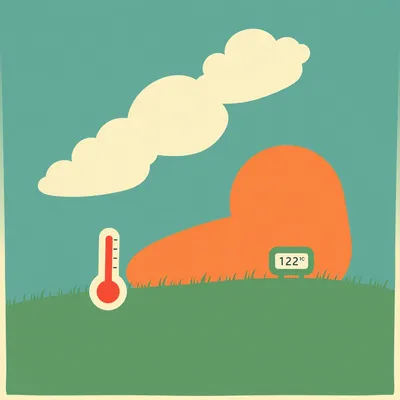
#3069: Why UV Index and Temperature Don't Match
Why Israel hit a UV index of 11 while the thermometer barely reached 28°C.
#3039: How Airlines Engineer Mass Sleep at 35,000 Feet
Airlines quietly perfected a group sleep induction system. Here's the lighting, meal, and temperature playbook — and how to steal it for home.
#3005: The Zoo Question: 4,000 Years of Captivity
31 sloths died at Sloth World. The USDA knew. The facility stayed open. A look at 4,000 years of zoos and whether they can ever be ethical.
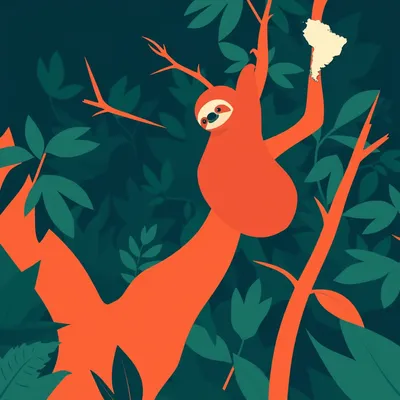
#3004: Which Country Has the Most Sloths? (It's Not Costa Rica)
Brazil has 10-15x more sloths than Costa Rica. But you're still more likely to spot one in Costa Rica. Here's why.
#2950: Barley Beyond Soup: A Grain Guide
Pearl, pot, hulled, hulless — why barley labels matter for nutrition, cooking, and flavor.
#2925: Why Writing "Notebook" on Your Notebook Actually Works
The neuroscience behind why high-contrast labels help some brains actually see what they're looking at.
#2918: Einstein's Messy Genius: Socks, Contracts, and Spacetime
The man who bent light and stretched time — and couldn't find his jacket.
#2905: How Your Brain Filters Noise (And Why It Fails)
Four layers of neural sound filtering — and why they break differently in ADHD, autism, and APD.
#2820: Your Local Diet Won't Save the Planet
Transport accounts for less than 10% of food emissions. Here’s what actually matters.
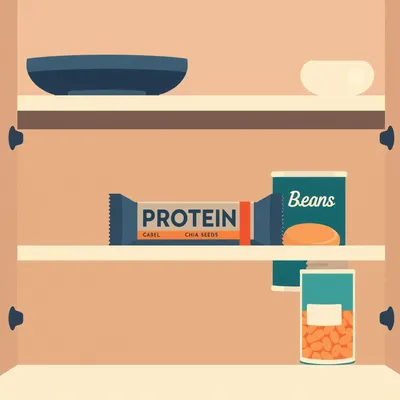
#2756: Protein Bars as Frontal Lobe Jumper Cables
Building a tiered food system for when your brain can't make decisions about food.
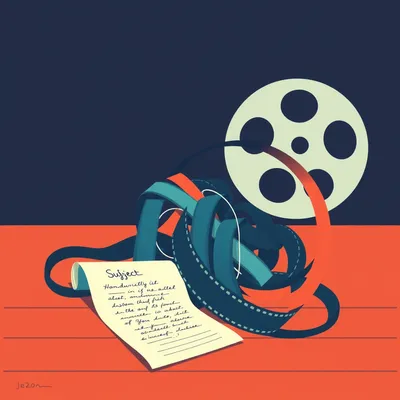
#2747: Can Method Acting Really Rewrite Your Memory?
What happens when an actor's brain starts misfiling a character's memories as their own? The surprising answer.
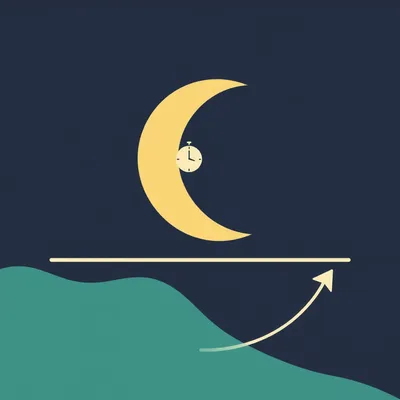
#2738: Why Can't Humans Sleep 24 Hours Straight?
Even when exhausted, your body won't let you sleep past 12-13 hours. Here's the biology behind the hard cap.
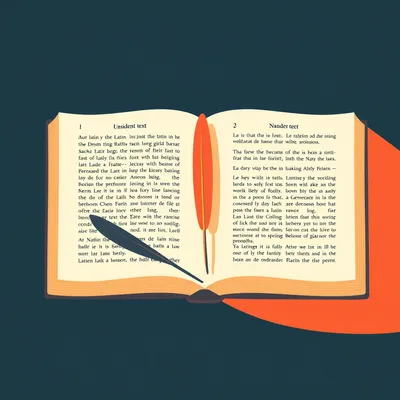
#2737: How Word Spacing Changed Human Thinking
How studying medieval word spacing revealed the origins of silent reading — and why funding esoteric research matters.
#2735: What Talmud Study Actually Trains Your Mind To Do
Why the Talmud preserves arguments you’ll never follow — and what that reveals about learning itself.
#2729: Why Medieval Libraries Sounded Like Beehives
For most of history, reading was an oral act. Silent reading is a surprisingly recent invention.

#2719: How Streetlight-Level Light Disrupts Mammal Immunity
Even minimal artificial light at night—equivalent to street lighting—disrupts immune rhythms and increases mortality 2.35x in wild mammals.
#2710: Is Sunlight a Vitamin or a Hormone?
Why calling vitamin D a "vitamin" is a historical accident—and what sunlight does that supplements can't.
#2708: Why Histamine Keeps You Awake and Makes You Sneeze
How one molecule runs both your allergy symptoms and your brain’s wakefulness system.
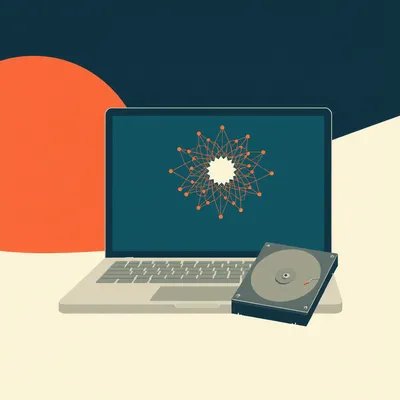
#2705: Your Brain Isn't a Hard Drive — What Actually Fits
Long-term memory isn't storage — it's a generative model. Here's where the brain/computer analogy actually holds up.
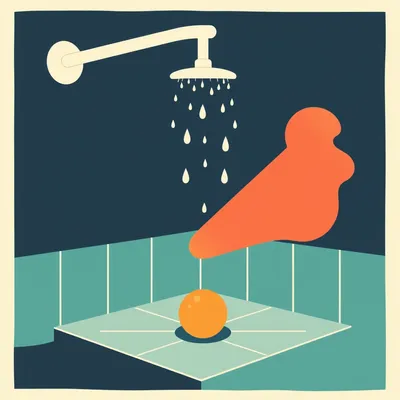
#2704: The Shower Effect: How Stepping Away Unlocks Solutions
Why do our best ideas come in the shower? The neuroscience behind the incubation effect and when to step back.
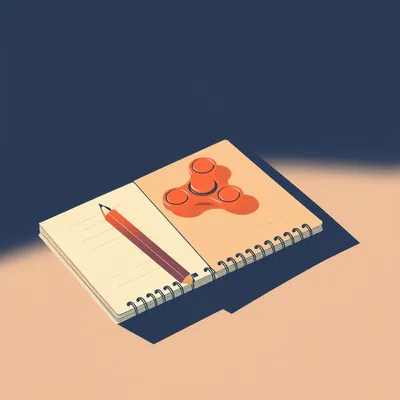
#2703: Why Fidgeting Actually Helps You Think
Fidget spinners aren't just toys—they're self-regulation tools. Here's the neuroscience behind why movement helps you focus.
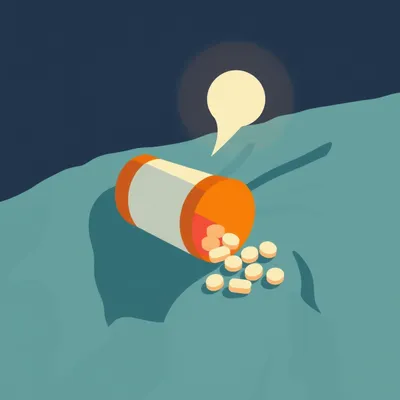
#2701: Why Drugs Give You Vivid Nightmares
SSRIs, beta-blockers, and melatonin: how medications hijack the brain's dream machinery.
#2700: What Your Brain Actually Does When You Daydream
Daydreaming isn't your brain slacking off — it's running a flight simulator for your life.
#2628: Your Snake Plant Isn't Saving You
Why your houseplants aren't cleaning your air — and what they're actually doing for you.
#2625: White Noise vs Pink vs Brown: What Actually Works
What makes mechanical sound machines like the Dohm different from digital ones — and which noise color actually helps you sleep?
#2619: The Sleep Doctor Shortage
Night owls vs. clinical disorder—what sleep medicine actually says about delayed sleep-wake phase.
#2574: Why You're Not "Too Old" to Learn a Language
Age isn't the barrier you think. What actually determines success—and how AI can help.
#2562: Why Do Humans Love Food That Burns?
The science of why we enjoy pain from chili peppers, from ancient domestication to modern hot sauce culture.
#2524: The Myth of the Inner Monologue
Most people don't have a constant inner monologue. Discover the five surprising ways your mind actually works.
#2484: The Alcohol-Depression Paradox: A Neurochemical Bridge
Why depressants worsen depression through rebound effects, not direct action — the real mechanism explained.
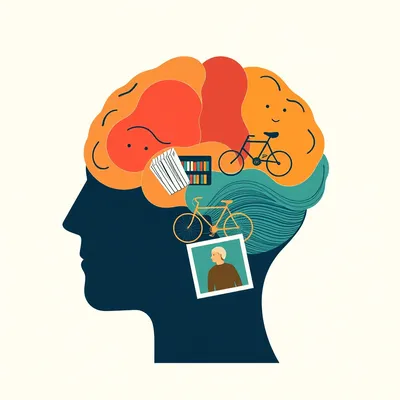
#2234: Memory Isn't One Thing: What Science Actually Knows
Why your memory feels worse than it is, what genes actually control, and whether photographic memory is real—or just a persistent myth.
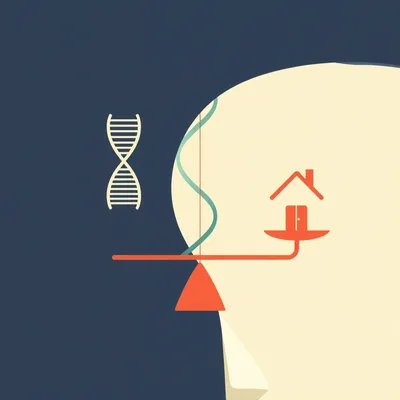
#2157: Do You Become More You?
New research shows personality is shaped by genes, early environment, and their interaction—not just nature or nurture.
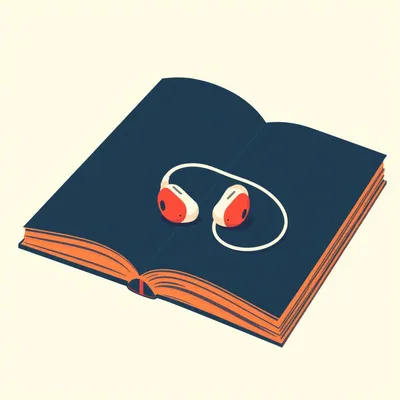
#2049: Why Your Brain Prefers Listening Over Reading
Audio learning taps into ancient brain wiring, offering relaxed alertness and better big-picture retention than reading.
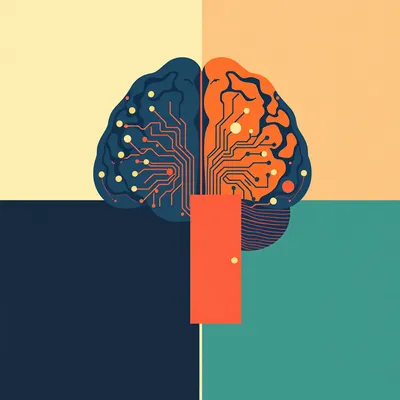
#2047: Why Video Calls Feel Like a Workout for Your Brain
Remote work is draining our "social radar," but new science shows how to rebuild it.
#1852: The BCI Inflection Point: Trade-offs Between Implants and EEG
We trace BCIs from 1970s EEG caps to today’s high-bandwidth implants, comparing Neuralink and Synchron’s invasive vs. minimally invasive approaches.
#1783: Why Sleep Deprivation Makes You a Monster
Sleep loss doesn't just make you tired—it physically cuts the brake line between your logical and emotional brain.
#1704: Why Do Sloths Hate Anteaters?
A sloth's visceral fear of its own cousin reveals how animal brains detect "wrongness" without recognizing species.