Hey everyone, welcome back to My Weird Prompts. I am Corn, and I am here as always with my brother, the man who reads medical journals for fun while the rest of us are watching Netflix.

Herman Poppleberry, reporting for duty. It is good to be back in the studio, Corn. And you are not wrong—there is a certain thrill in a well-constructed meta-analysis that a true crime documentary just cannot replicate.
I will take your word for that, Herman. Today, we have got a heavy hitter. Our housemate Daniel sent us a voice note that really hits home for a lot of people, including him. We actually touched on this a while back when we were talking about tapering off certain medications, but Daniel wanted us to go much deeper into the actual risks and the science behind them. He has been on a daily dose for nearly eight years now, and he is starting to see these headlines that make it sound like he is ticking a biological time bomb.
Right, specifically proton pump inhibitors, or PPIs. These are drugs like omeprazole, lansoprazole, and esomeprazole—the purple pills and their cousins. They are some of the most widely used medications in the world. In fact, as of early twenty-twenty-six, global sales are still in the billions of dollars annually. We are talking about millions of people taking them every single day, often for years or even decades, despite the fact that most were originally FDA-approved for short-term use of four to eight weeks.
And that is the crux of it. They are absolute miracle drugs for short-term relief of things like GERD, which is gastroesophageal reflux disease, or stomach ulcers. They changed the game for preventing esophageal cancer in people with Barrett’s esophagus. But the long-term data has been raising some serious eyebrows lately. Daniel was asking about the current state of evidence regarding things like cardiovascular disease, kidney disease, and dementia. And he mentioned this specific mechanism involving blood vessel linings that has been floating around in the research.
It is a fascinating and somewhat controversial area of medicine. We have seen this massive wave of observational studies over the last decade that linked PPIs to almost every chronic condition you can think of—from bone fractures to pneumonia to even COVID-nineteen severity back in the day. But as we always say on this show, association is not necessarily causation. If you are a person who needs a PPI, you might already be at higher risk for other health issues. So, I think today we really need to untangle what is a genuine concern backed by a plausible biological mechanism and what might just be a statistical fluke or "confounding by indication."
Exactly. Because if you are someone like Daniel who has been told by a doctor that you need these to prevent, say, a bleeding ulcer or permanent esophageal damage, hearing about a link to dementia is terrifying. It puts you in this impossible position of choosing between your stomach today and your brain tomorrow. So, let’s start with the big ones. What is the actual state of the evidence as we sit here in February of twenty-twenty-six? Let’s talk about the kidneys first, because that seems to be one of the more established links in the literature.
You are right, the renal connection is probably the most robust. There are two main ways PPIs seem to affect the kidneys. The first is acute interstitial nephritis, or AIN. This is basically an allergic-type inflammatory reaction in the kidney tissue. It is relatively rare, but it is very well-documented. The problem is that it is often "silent"—it does not always cause obvious symptoms until the kidney function has already dropped significantly.
And is that the same thing as chronic kidney disease, or is that a separate path?
They are linked. The bigger concern for long-term users like Daniel is chronic kidney disease, or CKD. The theory is called the "sub-clinical hypothesis." Basically, you might be having these tiny, repeated bouts of sub-clinical inflammation—mini-versions of that AIN—that do not necessarily land you in the hospital or cause pain, but over five, ten, or fifteen years, they lead to progressive scarring of the kidney tissue, which we call interstitial fibrosis.
What do the numbers actually look like? If Daniel has been on them for eight years, what is his statistical reality?
Several massive observational studies involving hundreds of thousands of patients have shown about a twenty to fifty percent increased risk of developing chronic kidney disease in long-term PPI users compared to non-users. Now, we have to be careful with those numbers. If your baseline risk of kidney disease is very low—say, one in a thousand—a fifty percent increase only brings it to one point five in a thousand. That is a small absolute risk for an individual. However, when you multiply that across the millions of people taking the drug, it becomes a massive public health issue. The most recent data from twenty-twenty-five suggests that the risk is most prominent in people who are taking "double doses"—like forty milligrams of omeprazole twice a day—or those who already have slightly reduced kidney function to begin with.
Okay, so kidneys have a fairly clear, though still mostly observational, link. What about the heart? Daniel mentioned cardiovascular disease. This one always felt a bit more confusing to me because for a while the talk was mostly about how PPIs interacted with other heart medications, not the heart itself.
You hit the nail on the head. For years, the main concern was a drug-drug interaction with clopidogrel, which is a common blood thinner. The theory was that PPIs, especially omeprazole, inhibit an enzyme in the liver called CYP2C19. That enzyme is what activates clopidogrel. So, if you take both, your blood thinner might not work as well, leading to more heart attacks. But Daniel was asking about something more direct—a direct effect on the blood vessels themselves, even in people not taking blood thinners.
Right, the "slippery pipes" theory. He mentioned the endothelium.
Yes, and this is where we get into the really nerdy, fascinating stuff. This research was pioneered by groups at Stanford and the Houston Methodist Research Institute. They looked at the endothelium, which is the inner lining of your blood vessels. This lining is not just a passive barrier; it is a highly active organ that regulates blood flow and prevents clotting by producing a molecule called nitric oxide.
I remember this from our episode on exercise. Nitric oxide is the "vasodilator"—it tells the blood vessels to relax and open up.
Exactly. Now, there is an enzyme called DDAH—dimethylarginine dimethylaminohydrolase. Its job is to break down a metabolic byproduct called ADMA. Think of ADMA as the "bad guy" here because it blocks the production of nitric oxide. If your ADMA levels go up, your nitric oxide goes down, and your blood vessels get stiffer, stickier, and more prone to inflammation.
So where do the PPIs come in? Do they boost the bad guy?
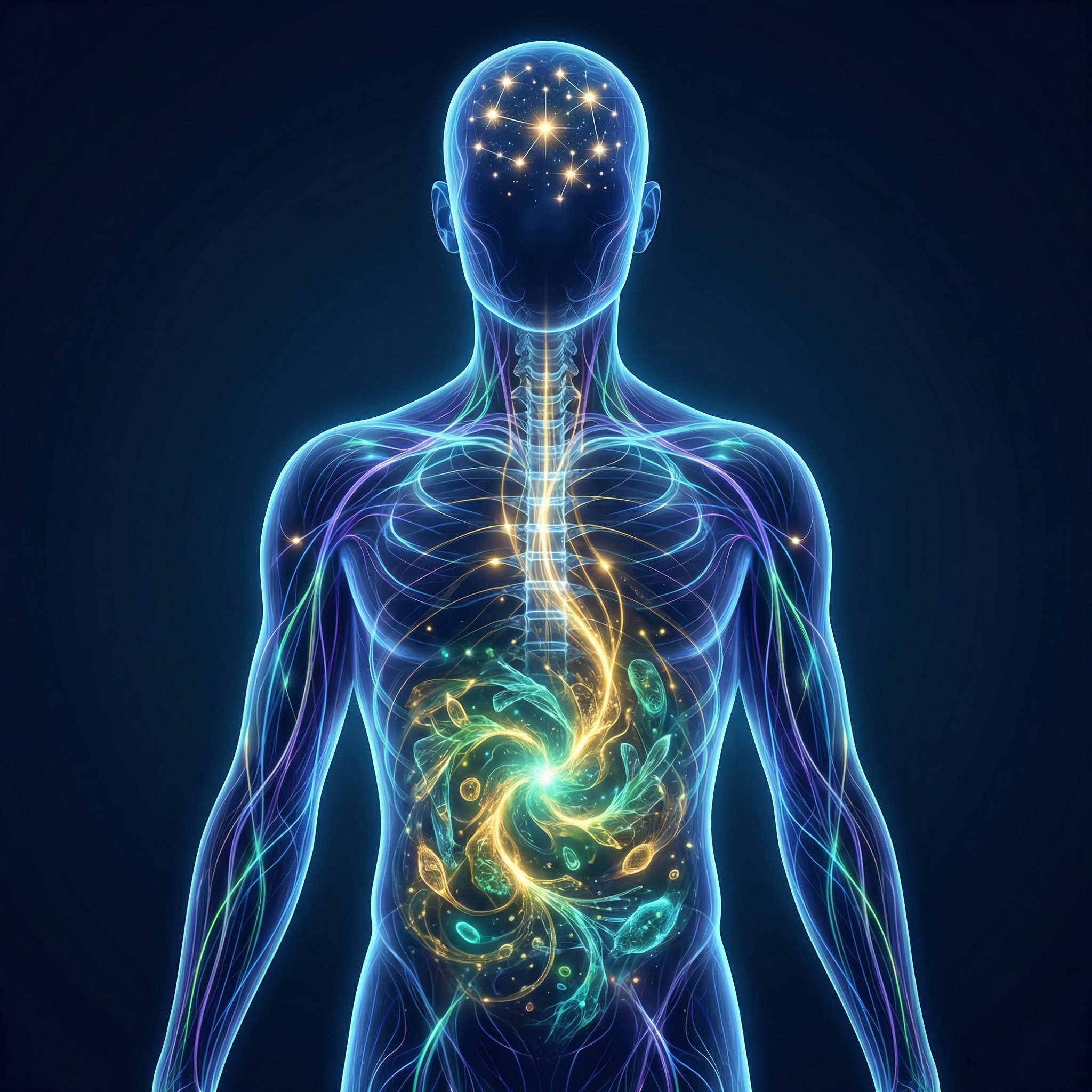
Precisely. The research suggested that PPIs might directly inhibit that DDAH enzyme. If the enzyme is inhibited, it cannot clear out the ADMA. ADMA levels rise, nitric oxide production drops, and suddenly your blood vessels are not functioning correctly. In laboratory settings, researchers found that PPIs could reduce nitric oxide production in human endothelial cells by about twenty percent. That is a huge deal because it provides a "unified theory" of PPI harm. If you damage the endothelium, you increase the risk of heart attacks, strokes, and even the kidney damage we just talked about, because kidneys are essentially just massive bundles of tiny blood vessels.
Wow. So it is not just about stomach acid; it is about a systemic effect on how our vessels breathe, essentially. But is this proven in humans, or just in petri dishes?
That is the "but" that doctors always point to. While the mechanism is elegant and scary in a lab, the clinical data is still a bit of a "choose your own adventure." Some large-scale studies have seen a small increase in heart attack risk—around sixteen percent—while other very high-quality randomized trials, like the COMPASS trial, did not see a significant difference in cardiovascular events over several years. The consensus in twenty-twenty-six is that while the vascular mechanism is likely real, its impact might be overshadowed by other factors like diet, smoking, and exercise. But for someone like Daniel, it is a reason to be cautious, especially if he has other heart risk factors.
Let’s move to the one that probably scares people the most: dementia. There was a massive headline a few years ago that PPIs cause Alzheimer’s. I remember people literally throwing their prescriptions in the trash after that news broke. Where does that stand now?
That one has actually been walked back significantly, which is a great example of how science corrects itself. The initial studies from around twenty-sixteen showed a shocking forty-four percent increased risk. But as we got better at controlling for "confounding factors," that link started to weaken. For example, people in the early stages of dementia often have gastrointestinal issues or take more medications in general.
So the PPIs weren't causing the dementia; the people who were already developing dementia just happened to be taking more PPIs?
Exactly. It is called "reverse causality." Several much larger and better-controlled studies, including a massive one published in the journal Neurology and another in Gastroenterology in the last couple of years, have found either no link at all or a very weak association that disappears when you account for things like education level, blood pressure, and baseline health.
That is a massive relief. But was there a theory there, too? Was it the same vascular thing?
Part of it was vascular, but another theory involved "lysosomal acidification." Every cell in your body has these little "trash cans" called lysosomes. They use acid to break down waste products, including the amyloid-beta plaques that are the hallmark of Alzheimer’s. Since PPIs are designed to block "proton pumps," and lysosomes use proton pumps to stay acidic, there was a fear that PPIs were essentially "turning off the trash cans" in the brain. However, most experts now agree that the concentration of PPIs that actually reaches the brain is likely too low to cause that kind of damage in most people.
Okay, so kidneys are a "watch out," heart is a "maybe/be careful," and dementia is a "probably not as bad as we thought." But we cannot be dismissive, because even if the dementia link is weak, the nutrient issues are not "theories"—they are basic chemistry. Daniel asked specifically about B-twelve, iron, and magnesium. This is where the rubber meets the road for long-term users.
You are absolutely right. This is not a "side effect" in the traditional sense; it is a direct consequence of the drug doing exactly what it was designed to do. Your stomach acid is not just there to cause heartburn; it is a critical tool for digestion and defense. Let’s start with Vitamin B-twelve. To absorb B-twelve from food—like a piece of meat or an egg—you need stomach acid and an enzyme called pepsin to "unstick" the vitamin from the food protein. Once it is free, it binds to something called "intrinsic factor" so it can be absorbed later in the small intestine.
So if you have no acid, the B-twelve stays "stuck" to the food and just... sails right on through?
Precisely. You could be eating a diet rich in B-twelve, but you are effectively starving in the midst of plenty. Over several years, your liver’s stores of B-twelve start to dwindle. This leads to fatigue, anemia, and—crucially—neurological issues like tingling in the hands and feet or that "brain fog" that people often mistake for aging or early dementia.
And what about magnesium? I remember the FDA actually issued a "black box" style warning about this a while back.
Magnesium is the weird one. It is called PPI-induced hypomagnesemia. We know it happens, but we do not fully understand why it only happens to some people. It seems to be an interaction with a specific transport channel in the bowel called TRPM-six and seven. When you take a PPI, it changes the pH of the intestine, which can shut down these channels. The scary part is that if you are one of the people whose magnesium drops because of a PPI, taking a standard magnesium pill often does nothing. The drug is blocking the "door" for the supplement, too.
And low magnesium is no joke. That is heart palpitations, muscle cramps, and in extreme cases, seizures.
Correct. And then there is iron. Similar to B-twelve, dietary iron—especially the "non-heme" iron found in plants—needs an acidic environment to be converted into a form that the body can actually absorb. If you are on a long-term PPI, your risk of iron-deficiency anemia goes up significantly. This is why long-term users often feel chronically exhausted.
So, let’s get to the "what do we do about it" part of Daniel’s prompt. If he has to stay on these drugs—maybe he has severe Barrett’s esophagus and his doctor says stopping is not an option—how does he protect himself?
First and foremost, you have to be proactive with testing. You cannot manage what you do not measure. If you are on a PPI for more than a year, you should be getting a "malabsorption panel" annually. That means checking B-twelve, iron, ferritin, and magnesium. But you have to look at the numbers closely. For B-twelve, many labs say "two hundred" is normal, but many people start having neurological symptoms below four hundred.
And what about the supplements themselves? If the PPI blocks the absorption of a standard pill, is there a workaround?
There is! For B-twelve, the answer is "bypass the stomach." Sublingual B-twelve—the little tablets that dissolve under your tongue—goes directly into the bloodstream through the mucous membranes. Or, if the deficiency is severe, B-twelve injections are the gold standard. They completely bypass the digestive tract.
That is a great tip. What about magnesium and iron?
For iron, you want to look for "heme iron" supplements or "chelated" forms like iron bisglycinate, which are less dependent on stomach acid for absorption. For magnesium, some people have great success with "transdermal" magnesium—like Epsom salt baths or magnesium oils applied to the skin. Again, you are bypassing the gut. Also, pay attention to the type of magnesium. Magnesium citrate needs acid; magnesium glycinate is generally better tolerated and better absorbed in a low-acid environment.
That is super practical. Now, let’s look at the horizon. Daniel asked about emerging therapies. We have had PPIs since the late nineteen-eighties. Surely, in the year twenty-twenty-six, we have something more sophisticated than just "turning off the pumps" and hoping for the best?
We do, and this is the most exciting part of the conversation. The biggest shift in the last few years has been the rise of PCABs—Potassium-Competitive Acid Blockers. The one you will see in the news most often is vonoprazan.
PCABs. It sounds like a new police task force. How are they different from the PPIs we have been talking about?
It is a fundamental difference in "molecular mechanics." Think of the proton pump in your stomach like a door with a spring. A PPI is like a key that gets stuck in the lock and breaks off. It is an "irreversible" bond. But here is the catch: the PPI needs to be "activated" by acid to work. It is a paradox—the drug needs the very thing it is trying to kill to become active. This is why you have to take them thirty to sixty minutes before a meal, so they are in your system right when the acid starts pumping.
And if you miss that window, or you take it on an empty stomach, it is basically useless?
Exactly. They are very finicky. PCABs, like vonoprazan, are different. They do not need acid activation. They are "potassium-competitive," meaning they just go straight to the pump and sit in the spot where potassium usually binds, which effectively shuts the pump down instantly. They work much faster—within hours rather than days—and they stay in the system much longer.
But do they solve the long-term health concerns? Or are they just a "stronger" version of the same problem?
That is the multi-billion dollar question. Because they are newer, we do not have twenty years of observational data on them yet. However, there are two reasons to be optimistic. First, because they are more predictable and do not require that "acid activation" step, they might have fewer of those "off-target" effects on things like the blood vessel linings or the lysosomes in the brain. They are more "stomach-specific."
And the second reason?
The "on-demand" potential. Because PCABs work so fast, many doctors are now experimenting with "on-demand" dosing. Instead of Daniel taking a pill every single morning for eight years, he might be able to take a PCAB only on days when he knows he is going to have a trigger meal, or only when he feels symptoms starting. This gives the stomach "acid time." If you can have six or twelve hours a day where your stomach pH is normal, you can absorb your B-twelve and iron, and you can keep your gut microbiome healthy.
That "on-demand" thing seems like a total game changer. I know so many people who feel "trapped" on PPIs because of the "rebound effect." Can you explain that? Because that is why Daniel is scared to stop.
The rebound is real and it is brutal. When you suppress acid for years, your body tries to compensate by over-producing a hormone called gastrin. Gastrin tells your stomach to build more acid-producing cells. It is like your body is building a massive army of pumps, but the PPI is keeping the gates locked. The moment you stop the PPI, the gates open, and that "army" of pumps creates a massive flood of acid—way more than you had before you started the drug.
So you think your reflux is "getting worse," but it is actually just the drug withdrawal?
Exactly. It is a physiological dependency. To get off them, you have to taper incredibly slowly—sometimes over months—and often use "bridge" medications like H-two blockers—that is famotidine or Pepcid—which are less potent but do not cause that same massive rebound.
This has been a lot to process, Herman. I think the takeaway for Daniel, and for anyone listening, is that we are moving away from the "one size fits all" approach to acid. The "scare stories" about dementia are likely overblown, but the concerns about kidneys and blood vessels are scientifically plausible enough that we should not be taking these drugs "just because."
Right. The goal in twenty-twenty-six is the lowest effective dose for the shortest possible time. And if you are a "lifer" because of a condition like Barrett’s, you have to be your own advocate. Watch those micronutrients like a hawk. Do not just wait for your hair to fall out or your legs to start cramping. Get the sublingual B-twelve, look into the PCABs, and talk to your doctor about "on-demand" strategies.
And honestly, I think it is worth mentioning that there are also non-drug advancements. We have seen a lot of progress in things like the LINX procedure—that little magnetic ring that reinforces the esophageal sphincter—or TIF, which is Transoral Incisionless Fundoplication. These are "structural" fixes for a "structural" problem.
Well said. If the "door" is broken, you can either try to dry up the ocean behind it, or you can just fix the door. We are getting much better at fixing the door.
Well, Herman Poppleberry, I think we have given Daniel a lot to chew on—hopefully with enough stomach acid to digest it properly. It is a complex landscape, but the science is definitely moving toward a more nuanced, "whole-body" understanding.
It really is. And I love that we are seeing more focus on the endothelium now. It shows that we are finally looking at the body as a connected system, not just a collection of isolated organs in a vacuum.
Everything is connected. Well, that is our deep dive for today. If you found this helpful, or if you have your own "weird prompt" about a medication or a health trend you want us to tackle, you can find the contact form at myweirdprompts.com.
And if you are enjoying the show, we would really appreciate a quick review on your podcast app or a rating on Spotify. It genuinely helps other people discover these deep dives and helps us keep the lights on here in the studio.
It really does. You can also find our full archive, the show notes for this episode with links to the DDAH and PCAB studies, and the RSS feed at myweirdprompts.com. Thanks for listening to My Weird Prompts.
Until next time, keep asking those questions and keep looking at the mechanisms. Goodbye!
Goodbye!