Hey everyone, welcome back to My Weird Prompts. I am Corn, and I am sitting here in our living room in Jerusalem, looking across at my brother who is surrounded by what looks like three different scientific journals and a very large glass of water.

Herman Poppleberry here, and you are not wrong, Corn. I have been deep in the literature today. But before we get into the heavy stuff, we have to talk about our housemate Daniel. He sent us a voice note that I think is going to resonate with a lot of people, especially those who feel like they are just barely keeping their heads above water.
Yeah, Daniel is in the thick of it right now. For those who do not know, he and his wife Hannah had their first baby, Ezra, about seven months ago. And on top of the usual new parent chaos, they have had an apartment leak, they are trying to find a new place to live, and they are both running their own businesses. It is the definition of a pressure cooker.
It really is. And Daniel brought up something specific that I think is a hidden struggle for a lot of high achievers and new parents. He is dealing with the aftermath of gallbladder surgery while trying to navigate this whirlwind. He is realizing that skipping meals is not just a productivity drain anymore, it is actually a health risk for him.
Exactly. He mentioned that he needs to buffer those bile acids, which we talked about in a previous episode, but he is at a point where he does not have time to cook, he does not even have time to order takeout some days, and his kitchen is so cramped it makes him feel claustrophobic. He is looking for the ultimate backup food strategy. Shelf stable, minimal prep, maybe some Instant Pot magic.
I love this prompt because it is so practical. It is about the intersection of biology, logistics, and survival. We often talk about nutrition in terms of optimal performance or longevity, but sometimes nutrition is just about getting through Tuesday without a digestive crisis.
Right. So, Herman, let us start with the biology because that is the foundation here. Daniel mentioned the gallbladder surgery and the need to eat regularly. Why is skipping meals such a bad idea when you do not have a gallbladder?
Well, to understand that, you have to understand what the gallbladder actually does. Most people think it produces bile, but it does not. Your liver produces bile. The gallbladder is just a storage tank. When you eat something fatty, the gallbladder squeezes and releases a concentrated dose of bile into the small intestine to help break down those fats.
Okay, so it is like a reservoir that waits for the signal.
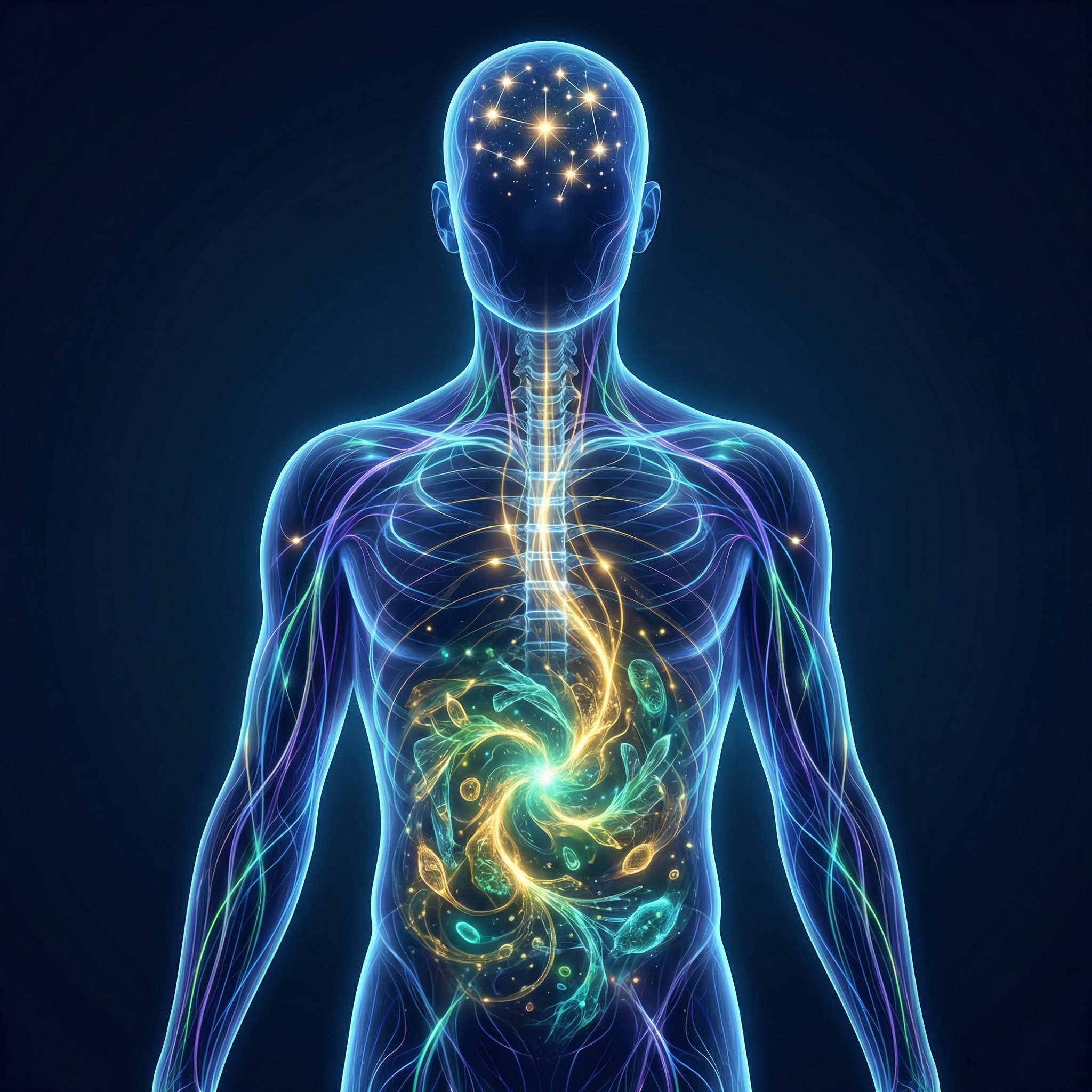
Exactly. Now, when you remove the gallbladder, you lose that storage capacity. Your liver is still making bile, but now it has nowhere to go, so it just drips continuously into the small intestine. If there is no food there to meet it, specifically fiber and some healthy fats, that bile can cause irritation. It can lead to something called bile acid malabsorption, or B A M, which causes the bloating and digestive distress Daniel mentioned.
So, when he says he needs to buffer those acids, he is literally talking about giving the bile something to do so it does not just sit there and irritate his system.
Precisely. And the latest consensus in twenty twenty six emphasizes that soluble fiber is the key. Soluble fiber acts like a sponge. It binds to the bile acids and helps carry them through the digestive tract. This is why skipping meals is a disaster for him. The bile keeps dripping, but there is no sponge to catch it.
That makes so much sense. So the goal for Daniel is not just calories, it is specifically fiber and consistency. But he is in triage mode. He mentioned meal replacement drinks, like those army ration style things. What is your take on those for someone in his position?
I think for someone like Daniel, modern meal replacements are a total game changer. We are not talking about the chalky weight loss shakes from the nineteen nineties. We are talking about complete foods. In twenty twenty six, brands like Huel and Soylent have really refined their formulas. Huel Black Edition, for example, is a top pick right now because it is nutritionally complete with thirty five grams of plant based protein and a massive hit of soluble fiber from oats and flaxseed.
I have seen you drink those when you are deep into a research project. They seem convenient, but are they actually good for your gut?
It depends on the formulation. For Daniel, he should look for the ones that are high in oats or pea protein because those are naturally high in that soluble fiber we talked about. The beauty of these is the zero friction. You put two scoops in a shaker, add water, shake for thirty seconds, and you have a nutritionally perfect meal. No cooking, no cleaning pots, no standing in a cramped kitchen.
And he can drink it while he is on a consulting call or while he is holding the baby. It is a one handed meal.
Exactly. And from a digestive standpoint, the fact that it is a liquid can actually be helpful if he is feeling bloated, as long as he sips it slowly. If you chug a large amount of liquid nutrition quickly, you might actually trigger more bloating because of the osmotic pressure in the gut. But sipping on a meal replacement over twenty minutes? That is a great way to keep that bile buffered throughout the day.
That is a great tip. Now, Daniel mentioned he tried to order protein bars but they got lost in the mail. Are protein bars a good backup, or are they just glorified candy bars?
That is the big question, is it not? Most protein bars on the market are essentially Snickers bars with a bit of whey protein thrown in. But here is the real kicker: recent research, including a 2023 Nature Medicine study, has linked erythritol—a very common sugar alcohol in these bars—to an increased risk of blood clotting and stroke. For someone already dealing with post surgical recovery and high stress, I would be very careful with those.
So he might be better off that they got lost in the mail?
Honestly, yes. If he wants a bar, he should look for whole food based bars that use dates, nuts, and simple seeds. They might not have thirty grams of protein, but they will have the fiber and the clean fats that his body can actually process without a gallbladder. But overall, I think the meal replacement shakes are a superior option for a full meal replacement because they are more balanced and avoid those problematic sweeteners.
Okay, let us move away from the liquids and bars and talk about the pantry. If Daniel has five minutes between meetings and a screaming seven month old, what should he have in his cupboard that requires zero actual cooking?
This is where we talk about the assembly method. You are not cooking, you are assembling. The first thing I would recommend is pre cooked grain pouches. Since we are in Jerusalem, he can easily find Sugat brand pouches of brown rice, quinoa, or even freekeh that are already steamed. You just tear the top, microwave it for ninety seconds, or even just eat it cold if you have to.
I have used those. They are surprisingly good. But a bowl of plain rice is not exactly a balanced meal.
Right, so you pair it with a high quality canned protein. Daniel has access to some of the best canned tuna and sardines in the world here. Sardines are actually a secret weapon for health. They are loaded with omega three fatty acids, which are anti inflammatory, and they are small enough that they do not have the mercury concerns of larger fish.
I know you love your sardines, Herman, but not everyone is a fan of the fishy smell, especially in a small apartment.
Fair point. If fish is not your thing, the next best thing is canned beans and lentils. Chickpeas, black beans, cannellini beans. You rinse them, toss them with that pre cooked rice, add a big spoonful of tahini, which is a staple in Jerusalem, and maybe some lemon juice or hot sauce. You have a high fiber, high protein meal in three minutes with almost zero cleanup.
Tahini is a great call for Daniel. It is shelf stable, it is calorie dense, and it has those healthy fats that will help signal his body to release bile in a controlled way. Plus, it is delicious.
Exactly. And speaking of Jerusalem staples, we should mention shelf stable hummus. While the fresh stuff from Mahane Yehuda is better, you can get decent canned or jarred hummus that stays good for months. It is another great way to get that fiber and protein hit quickly.
I want to go back to something Daniel mentioned. He said he has an Instant Pot but he finds cooking in his current kitchen claustrophobic. I think the Instant Pot is actually the solution to a small, cluttered kitchen because you can take it into another room.
That is a brilliant point, Corn. You do not have to be in the kitchen to use an Instant Pot. You can plug it in on the dining table or even a sturdy shelf in the hallway if you have to. It is a self contained cooking environment.
Exactly. And for someone like Daniel, the Instant Pot is the king of the dump and go meal. Herman, what are some of those high fiber, gallbladder friendly recipes that literally require zero prep?
The absolute winner in this category is red lentil dal. Red lentils are unique because they do not require any soaking and they basically dissolve into a creamy porridge when cooked under pressure. You take one cup of red lentils, two cups of water or vegetable broth, a can of crushed tomatoes, and some basic spices like turmeric and cumin. Pro tip for Daniel: he can buy those frozen Dorot herb cubes here in Israel—just pop in a cube of ginger and a cube of garlic. You throw it all in, set it for five minutes on high pressure, and walk away.
And because the lentils are so small and they break down so much, they are very easy on the digestion.
Exactly. It is almost like a pre digested food, which is great for someone dealing with bloating. You get all that soluble fiber to bind the bile, but your stomach does not have to work overtime to break down tough skins like it would with kidney beans or chickpeas.
What about breakfast? Daniel mentioned he is struggling to even find time for that. Can the Instant Pot help there?
Steel cut oats. Not the rolled oats that get mushy, but the hearty steel cut ones. You can do a big batch on Sunday night. One part oats to three parts water. Cook them in the Instant Pot for ten minutes and let the pressure release naturally. You can keep a big container of that in the fridge all week. In the morning, you just scoop some out, add a splash of almond milk or whatever you like, and maybe some nut butter. It is the ultimate slow release energy fuel.
That is perfect. It is that consistency he needs. If he has that ready to go, he is starting his day with a bile buffer already in his system.
Right. And I want to touch on something else Daniel mentioned. He mentioned the apartment leak and the stress of moving. Stress actually affects your digestion directly through the gut brain axis. When you are in a state of high stress, your body slows down digestion to divert energy to your muscles and brain. This can lead to food sitting in your stomach longer, which causes more fermentation and, you guessed it, more bloating.
So it is a vicious cycle. He is stressed because of the move and the baby, which makes his digestion worse, which makes him more stressed.
Exactly. That is why these low friction food options are not just about nutrition, they are about mental health. If Daniel knows he has a bottle of Huel in the fridge or a container of lentil soup ready to go, that is one less thing for his brain to process. We talk about decision fatigue a lot on this show, and for a new parent, decision fatigue is the enemy.
It really is. I remember when Ezra was first born, just deciding what to have for water felt like a monumental task.
Exactly. You want to automate your nutrition as much as possible during these high stress periods. It is okay to eat the same three or four things every day for a month if it means you are staying healthy and keeping your energy up.
I think that is a really important point. We often feel this pressure to have a varied, gourmet diet, but in triage mode, consistency is more important than variety.
Absolutely. There is a concept in engineering called graceful degradation. It is the idea that a system should be designed to maintain limited functionality even when a large portion of it has been destroyed or is inoperative. Daniel’s life right now is in a state of temporary degradation. He cannot be a gourmet chef and a perfect business owner and a new dad and a move coordinator all at once. He needs his nutrition to gracefully degrade to these simple, functional backups.
Graceful degradation. I love that. So, instead of the system crashing and him skipping meals and getting sick, he moves to the backup power source, which is the meal replacement shakes and the canned beans.
Exactly. And once the move is over and the baby is sleeping through the night, he can go back to the farmers market and the elaborate cooking. But for now, the goal is just to keep the lights on.
Let us talk about some of the misconceptions people have about these quick foods. A lot of people think that anything in a can or a pouch is inherently unhealthy or full of preservatives. What does the research say about that?
That is a common myth. In many cases, canned beans or frozen vegetables are actually more nutrient dense than the fresh versions you find in the supermarket. Why? Because they are processed at the peak of ripeness. A fresh tomato might have been sitting on a truck for a week, losing vitamin C every hour, whereas a canned tomato was picked and sealed within hours.
That is fascinating. So the shelf stable option might actually be better for him in some cases.
In many cases, yes. The only thing to watch out for is sodium and added sugars. For Daniel, he should look for canned beans that say no salt added or at least rinse them thoroughly before eating. And for the meal replacements, he should avoid the ones that use high amounts of maltodextrin as their primary carb source, as that can cause blood sugar spikes and more bloating.
Okay, so read the labels, but do not fear the can.
Exactly. The can is your friend in a crisis.
I want to pivot back to the gallbladder issue specifically. Are there any specific foods that are like a red alert, things he should absolutely avoid in his pantry right now?
Great question. High fat, processed snacks are the big one. Things like potato chips or heavy crackers. Because he does not have that concentrated bile storage, a sudden influx of fat is very hard for his system to handle. It will likely lead to immediate discomfort. Also, highly spicy foods can sometimes irritate the lining of the small intestine, which is already a bit sensitive because of the continuous bile drip.
So, keep it simple, keep it high fiber, and keep the fat moderate and healthy, like tahini or a little olive oil, rather than fried stuff.
Exactly. Think of it as a steady stream of fuel rather than a massive bonfire.
Herman, you mentioned earlier that Daniel is in Jerusalem. We have talked about tahini and hummus, but what about other local options? We have these amazing spice blends like zaatar. Can he use those to make these simple meals less boring?
Oh, absolutely. Zaatar is a superpower. You can take a bowl of plain canned chickpeas, drizzle a tiny bit of olive oil, and dump a tablespoon of zaatar on it. Suddenly, you have a meal that tastes like it took effort, but it took ten seconds. Also, look for silan, which is date syrup. It is a great, lower glycemic index sweetener if he needs a little hit of energy in his oats.
And dates themselves are a great shelf stable snack. They are full of fiber and they give you that quick energy hit when the baby has been up since four in the morning.
Yes, dates are nature’s energy gels. Just don’t overdo them because they are high in sugar, but as a quick bridge between meetings, they are perfect.
This has been really enlightening, Herman. I think we have given Daniel a solid toolkit. We have the meal replacements for the absolute zero time days, the assembly method with canned goods for the five minute days, and the Instant Pot for the days where he has ten minutes to prep but can let something cook in the background.
And most importantly, we have the biological justification for why he needs to do this. This is not about being lazy, it is about medical necessity. His body needs that buffer.
Right. It is self care in the most practical sense.
Exactly. And honestly, I think a lot of our listeners who are not new parents or who still have their gallbladders could benefit from this. We all have those weeks where life just gets away from us. Having a graceful degradation plan for your nutrition is a superpower.
It really is. I’m actually going to go check our pantry after this and make sure we have some of those rice pouches and red lentils, just in case.
Good idea. You never know when a leak or a deadline might hit.
Well, I think that covers a lot of ground. Daniel, we hope this helps you and Hannah navigate this crazy season. We are rooting for you guys, and we can’t wait to see the new place once you get settled.
Yes, and give Ezra a high five from his Uncle Herman.
Before we wrap up, I just want to say to everyone listening, if you are finding these deep dives helpful, please take a moment to leave us a review on your podcast app or on Spotify. It genuinely helps other people find the show, and we love reading your feedback.
It really does make a difference. We appreciate our growing community and all the support.
Absolutely. You can find all our past episodes and a way to get in touch with us at our website, my weird prompts dot com. We have an R S S feed there for subscribers and a contact form if you want to send us your own weird prompt.
We love the weird ones. The more specific, the better.
Well, this has been My Weird Prompts. I am Corn.
And I am Herman Poppleberry.
Thanks for listening, and we will see you in the next one.
Take care, everyone.
So, Herman, be honest, how many cans of sardines do you actually have in your room right now?
I believe the current count is twenty four. Various brands, different oils. It is a curated collection, Corn.
Twenty four cans. I think that qualifies as a hoard, not a collection.
It is a backup system! Graceful degradation, remember?
(laughs) Fair enough. Let us go see if we can find some of those red lentils. I am actually getting hungry now.
I have a great recipe for a ten minute red lentil soup. Let us do it.
(fading out) As long as I do not have to wash more than one pot.
Deal. One pot, maximum efficiency.
Alright, let us go.
So, you know, red lentils are actually interesting because they have a higher protein to fiber ratio than almost any other legume...
(voice trailing off) Here we go again...
No, seriously, the amino acid profile is quite fascinating when you consider...
Herman Poppleberry, signing off for real this time.
(distant) Go eat your lentils, Herman!
(laughs) Bye everyone!
Bye!